Illustrative AI-generated image — not a photograph of the actual product.
Lifestraw Personal Water Filter Review

#ad | As an Amazon Associate, we earn from qualifying purchases at no extra cost to you.
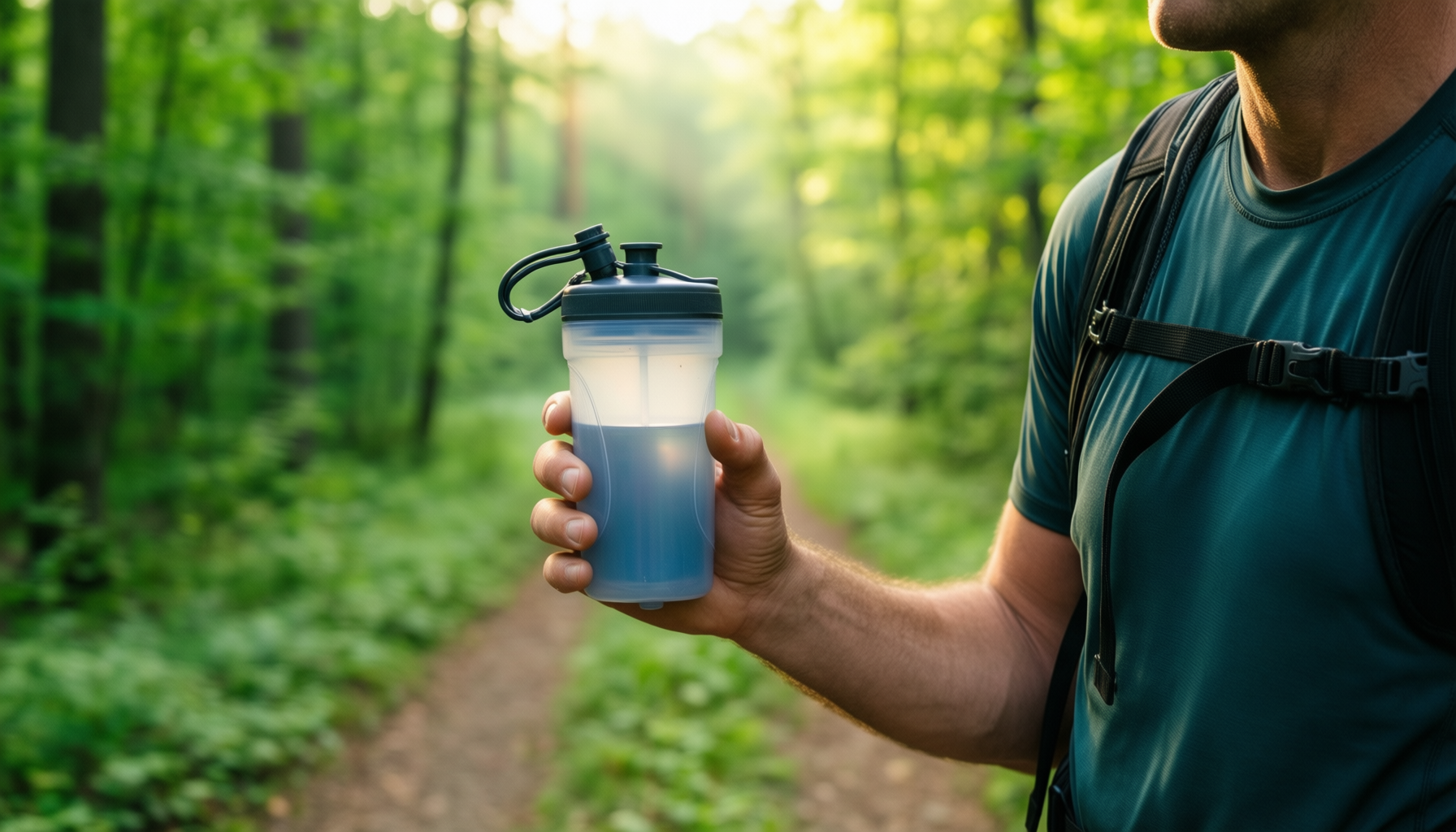
The LifeStraw Personal Water Filter solves the immediate problem of finding potable water when you are completely off the grid and cannot carry fuel or heavy cooking gear. Its standout feature is the hollow fiber membrane technology that physically blocks microscopic pathogens without requiring any chemicals or batteries to function. However, the honest limitation is that the rigid straw design makes it difficult to sip directly from a water bottle while moving, and it cannot filter chemical contaminants like pesticides found in industrial zones. This tool is best for hikers, campers, and travelers who need a lightweight, reliable backup for drinking directly from clear streams or lakes.
🛒 Check Price on Amazon →✓ See today's price & reviews
Surviving a Rain Soaked Scottish Highland Hike Without a Stove
There is a specific kind of anxiety that sets in when a UK hiking trip turns into a rain-soaked slog through the Highlands, and your stove runs out of fuel before you reach a shelter. In these scenarios, the weight of a pot and a fuel canister becomes a liability rather than an asset, forcing you to choose between staying warm and staying hydrated. This is where the LifeStraw Personal Water Filter transforms from a piece of gear into a lifeline, allowing you to bypass the need for boiling water entirely. The hollow fiber membrane technology inside this device is engineered to handle cold water temperatures typical of the British landscape, ensuring that the filtration process remains effective even when the stream water is near freezing.
The immediate relief of drinking directly from a stream without needing to carry a heavy pot changes the entire dynamic of a long hike. You no longer have to stop, boil, and wait for water to cool down, which saves precious calories and time. Instead, you can simply bend down, insert the straw into the water, and drink. This efficiency is crucial when you are navigating difficult terrain where every step counts. The psychological safety of having a certified backup when the weather turns bad cannot be overstated; knowing that you can access safe drinking water from almost any natural source reduces the stress of the journey significantly.
However, relying on this device requires an understanding of the water source. While it removes 99.9999% of waterborne bacteria including E. coli and salmonella, and 99.9% of waterborne protozoa including giardia and cryptosporidium, it is not a magic wand for every situation. The filter transforms up to 1,000 gallons of contaminated water into safe drinking water, but this capacity assumes the water is primarily biologically contaminated. If you are filtering water from a stream that has been polluted by agricultural runoff containing pesticides or heavy metals, this device will not remove those chemical contaminants. You must exercise judgment about where you draw your water, sticking to clear, flowing sources away from livestock or industrial areas to ensure the hollow fiber membrane does its job effectively.
Why the LifeStraw Fails for UK Travelers Carrying Heavy Backpacks
One of the most common misconceptions about this device is that it is a universal solution for all outdoor activities, but the rigid straw design creates a significant friction point for hikers who need to sip from a bottle while walking. If you are navigating a crowded train compartment or a tight bus seat in a city, the risk of the straw getting crushed or kinked is very high. Unlike a squeeze bottle or a filter with a wide mouth, the LifeStraw Personal Water Filter requires a direct line of sight to the water source. If you try to insert it into a water bottle cap while your backpack is bouncing against your hip, the connection is often unstable and prone to failure.
This specific limitation makes the original model a poor fit for urban UK travelers or those who prefer the convenience of a hydration bladder. For these users, the LifeStraw Go is a better fit because it allows for sipping from a bottle, but even then, the bulk of the original model can be cumbersome in tight spaces. It is important to clarify that this device is not designed for filtering water from a tap or bottle cap in a city environment. While it might seem like a convenient way to clean up water from a questionable tap, the flow rate and the specific design of the straw make it impractical for that purpose. The primary use case is strictly for open water sources like lakes, rivers, and streams where you can lower the device directly into the liquid.
Furthermore, the rigid nature of the straw means it does not offer the versatility of a pump system or a squeeze filter. If you are trying to filter water from a muddy puddle or a stagnant pool, the suction required might be too strong for the hollow fiber membrane to handle without clogging quickly. The device is optimized for clear, flowing water where the particles are already suspended and can be filtered as you drink. Attempting to use it in a scenario where you need to pre-filter large debris or filter from a container lid will likely result in a blocked straw or a frustrating experience where you cannot get enough water flow. Understanding these constraints helps you pack the right tool for the right job, ensuring you do not carry unnecessary weight or face equipment failure when you need it most.
Hard Water Scaling in Wales vs. The Sawyer Squeeze for Long Trips
When traveling through regions like Wales, you encounter lakes and streams that may have higher mineral content than the clear tropical streams often found in guidebooks. The reality of filtering water from these sources involves dealing with hard water scaling, which can eventually impact the performance of the hollow fiber membrane. Over time, minerals can build up inside the fibers, reducing the flow rate and making it harder to draw water through the straw. This maintenance challenge is something that requires attention if you plan to use the LifeStraw Personal Water Filter for extended periods in areas with high mineral content.
While the Sawyer Squeeze is often cited as a better option for pre-filtering muddy water due to its larger intake and squeeze mechanism, the LifeStraw Personal Water Filter is superior for direct drinking from clear streams. The Sawyer system requires you to fill a bag or bottle first, which adds weight and setup time, whereas the LifeStraw allows for immediate access to water. However, if the water is visibly murky or contains significant sediment, the LifeStraw can clog much faster than a system with a pre-filter. In such cases, the Sawyer Squeeze acts as a better first line of defense, removing the bulk of the debris before any filtration happens, whereas the LifeStraw relies on the user to find relatively clear water.
To maintain the longevity of the LifeStraw Personal Water Filter in these conditions, specific cleaning techniques are required for British rainwater sources to prevent clogging. After every use, you should flush the filter with clean water to push any trapped particles back out of the membrane. If you are in a situation where you have access to a camp stove, the ‘boil and cool’ method is highly effective for sanitizing the device and removing organic buildup. You would boil the straw for a few minutes and then let it cool completely before using it again. This process helps to clear the hollow fibers of any biofilm that might have formed during the trip.
If the filter starts to taste stale or the flow drops significantly despite flushing, a small amount of bleach solution can be used to disinfect the internal components. Mix a drop of household bleach with a cup of clean water and run it through the straw, then flush thoroughly with clean water to remove any bleach residue. It is vital to warn against using hot water directly on the membrane as it can damage the fibers permanently. The hollow fiber material is sensitive to high temperatures, and exposing it to boiling water directly can cause the fibers to collapse or deform, rendering the filter useless. Always use warm or cool water for cleaning to preserve the integrity of the filtration system.
Verifying UK Water Safety Certifications Before You Buy
Before committing to a purchase, it is essential to verify the specific certifications that guarantee the filter removes Giardia and Cryptosporidium. The LifeStraw Personal Water Filter is certified to NSF/ANSI standards 42 and 53, which are rigorous benchmarks for water treatment devices. These certifications confirm that the device effectively reduces the turbidity of water and removes the specific pathogens mentioned in the product description. Understanding the difference between these safety standards and the flow rate limitations found in the product manual is crucial for setting realistic expectations. The certifications prove biological safety, but they do not guarantee a high flow rate if the water is extremely dirty or if the filter is old.
It is equally important to clarify that the filter does not remove chemical contaminants like pesticides or heavy metals found in some industrial areas. While the hollow fiber membrane is excellent at trapping biological threats, it is not designed to act as a chemical filter. If you are hiking in an area known for agricultural runoff or industrial pollution, relying solely on this device could leave you exposed to toxins that pass right through the 0.2 micron pores. Always check the expiration date on the packaging before purchase, as the effectiveness of the hollow fiber membrane can degrade over time if the device is not stored properly. A filter that has been sitting in a hot car or a damp bag for years may not perform as well as a fresh one, even if it looks intact.
The flow rate limitations are a practical consideration that affects the user experience. While the device can transform up to 1,000 gallons of water, the actual rate at which you can drink depends on the clarity of the water and the condition of the filter. If the water is slightly turbid, the flow will slow down as particles begin to clog the membrane. This is why finding a clear source is so important; trying to force water through a clogged filter can be physically difficult and may lead to the straw collapsing under suction. The certifications provide peace of mind regarding biological safety, but the physical act of filtering still relies on the user to select an appropriate water source that matches the capabilities of the device.
Cleaning the LifeStraw After British Rain
Proper maintenance is the key to extending the life of the LifeStraw Personal Water Filter, particularly in conditions such as a week of British rain where moisture is constant. The first step in cleaning is to flush the filter with clean water after every use to prevent bacterial growth. This simple action pushes any remaining water out of the hollow fibers and prevents the environment inside the straw from becoming a breeding ground for microbes. If water remains inside the device for extended periods, especially in a humid environment, the risk of contamination increases, which defeats the purpose of having a clean water source.
If you have access to a camp stove in the UK, the ‘boil and cool’ method is specifically recommended for users who want to sanitize the device thoroughly. Boiling the straw for a few minutes kills any bacteria or biofilm that may have accumulated during the trip. Once boiled, you must let it cool completely before using it again to avoid damaging the plastic components or the membrane. This method is particularly effective after heavy use in stagnant or slow-moving water where biological load is higher. It restores the flow rate and ensures that the next time you drink, the water tastes fresh and clean.
For situations where the filter tastes stale or the flow drops significantly, using a small amount of bleach solution is a proven technique to disinfect the internal components. Mix a drop of household bleach with a cup of clean water and run it through the straw, then flush thoroughly with clean water to remove any bleach residue. This chemical cleaning method is more thorough than boiling and can help remove stubborn odors or tastes that develop over time. However, it must be used with caution and only occasionally, as frequent exposure to bleach can eventually degrade the materials of the straw. Always ensure that all bleach traces are washed out before the next use to avoid ingesting chemicals.
Finally, it is critical to warn against using hot water directly on the membrane as it can damage the fibers permanently. The hollow fiber material is sensitive to high temperatures, and exposing it to boiling water directly can cause the fibers to collapse or deform, rendering the filter useless. Always use warm or cool water for cleaning to preserve the integrity of the filtration system. Even when using the bleach method, ensure the water is not scalding hot. By following these specific cleaning protocols, you can ensure that the LifeStraw Personal Water Filter remains a reliable companion for your adventures, capable of filtering water safely for hundreds of gallons over its lifespan.
Who Should Skip This Filter
Based on the limitations described above, this filter is not suitable for the following scenarios:
- Urban Commuters or Hydration Bladder Users: If you frequently travel by public transport or prefer sipping from a bottle while moving, the rigid straw design poses a high risk of kinking or crushing, making it impractical compared to a squeeze bottle or a dedicated hydration system.
- Users in Chemically Contaminated Zones: If your hiking route passes through industrial areas or regions with known agricultural runoff containing pesticides or heavy metals, this device will not remove those toxins, leaving you exposed to chemical hazards.
- Users Dealing with Murky or Stagnant Water: If you anticipate filtering from muddy puddles, stagnant pools, or water sources with significant visible sediment, the hollow fiber membrane will clog quickly, and the suction required may be too strong for the device to handle effectively.
Final Verdict
The LifeStraw Personal Water Filter is an excellent choice for hikers, campers, and travelers who prioritize lightweight gear and need a reliable backup for drinking directly from clear, flowing streams or lakes. Its ability to filter up to 1,000 gallons of biologically contaminated water without fuel or batteries makes it a strong option for remote UK landscapes or similar environments where clear water sources are available.
However, you should choose an alternative if you require the ability to sip from a bottle while walking, need to filter water from stagnant or muddy sources, or plan to travel through areas with known chemical contamination. For users who frequently encounter murky water or prefer the convenience of a hydration bladder, a system with a pre-filter or a squeeze mechanism may offer better versatility and flow rates.
🛒 Check Price on Amazon →✓ See today's price & reviews
Related reviews