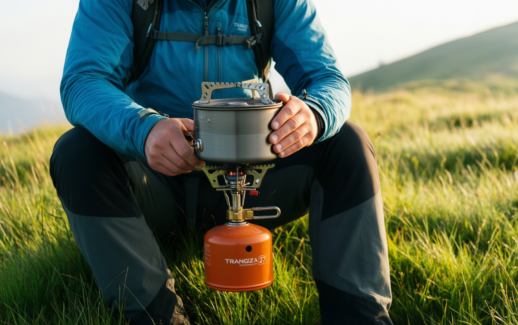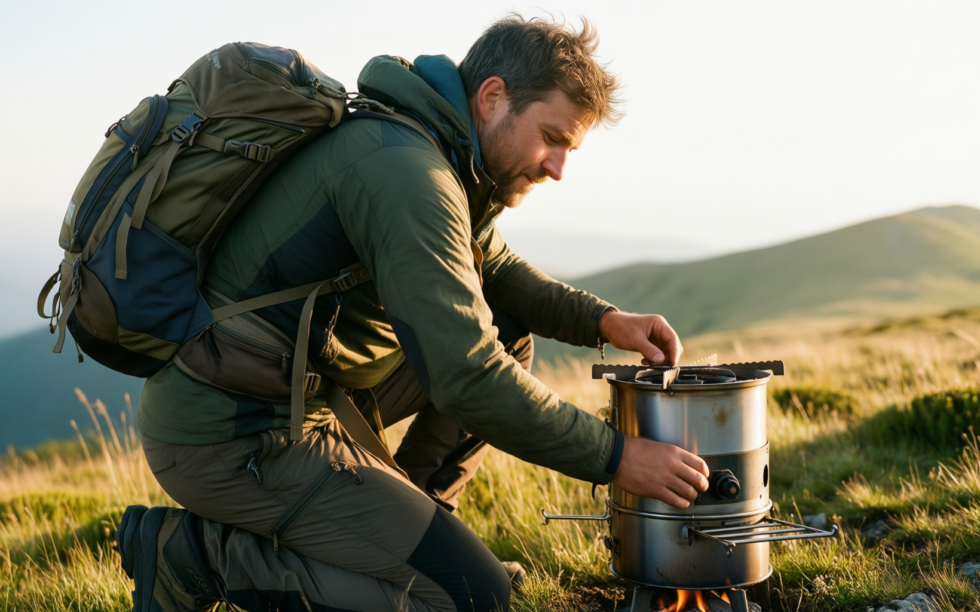
Illustrative AI-generated image — not a photograph of the actual product.
Ohuhu Rocket Stove

#ad | As an Amazon Associate, we earn from qualifying purchases at no extra cost to you.
Disclosure: As an Amazon Associate I earn from qualifying purchases.
The ohuhu rocket stove addresses a specific logistical problem for UK hikers: the need for a cooking solution that does not rely on pressurized gas canisters, which can be unreliable in cold temperatures and add significant weight. Its standout feature is the dual-fuel capability, allowing you to burn wood, alcohol, or solid tablets, which is particularly useful when foraging for fuel on remote fell walks. However, the open-top design means it lacks the windscreen integration found in sealed canister systems, making it less effective in high-wind conditions without additional protection. This model is best for solo hikers and backpackers who prioritize fuel flexibility and lightweight gear over rapid boil times for large groups.
🛒 Check Price on Amazon →✓ See today's price & reviews
What Makes This Worth Buying
The primary advantage of this model is its fuel versatility, which sets it apart from standard canister stoves that are limited to butane or isobutane. The product description explicitly states compatibility with wood, gas, and solid fuel tablets, giving you three distinct options depending on what is available in your environment. For a hiker in the Scottish Highlands, this means you are not dependent on finding a shop to refill a canister; you can simply gather dry twigs from the forest floor or carry a small bottle of denatured alcohol. This flexibility reduces the logistical burden of carrying a specific type of fuel that may not be suitable for all weather conditions.
The construction material is another critical factor for durability in outdoor settings. The stove is made from stainless steel, which offers superior resistance to corrosion compared to aluminum alternatives that may pit or rust when exposed to persistent rain and humidity. The description notes that the stainless steel build supports hot temperatures and the journey there and back without issue, suggesting a robust structure that can withstand the thermal shock of repeated heating and cooling cycles. This material choice is particularly relevant for UK users who frequently encounter damp conditions, as the metal is less likely to degrade over time when stored in a mesh bag or pack.
Portability is a key selling point, with the unit weighing just 0.98 lbs. This lightweight profile makes it easy to integrate into a minimalist pack without adding significant bulk. The design assembles in seconds without the need for tools, which is a practical benefit when you are trying to set up camp in poor light or cold weather. The compact size allows it to fit into a gear bag, the back of a car, or a daypack, ensuring that you always have a cooking option available without the hassle of managing a large, heavy gas stove.
Fuel Compatibility in Practice
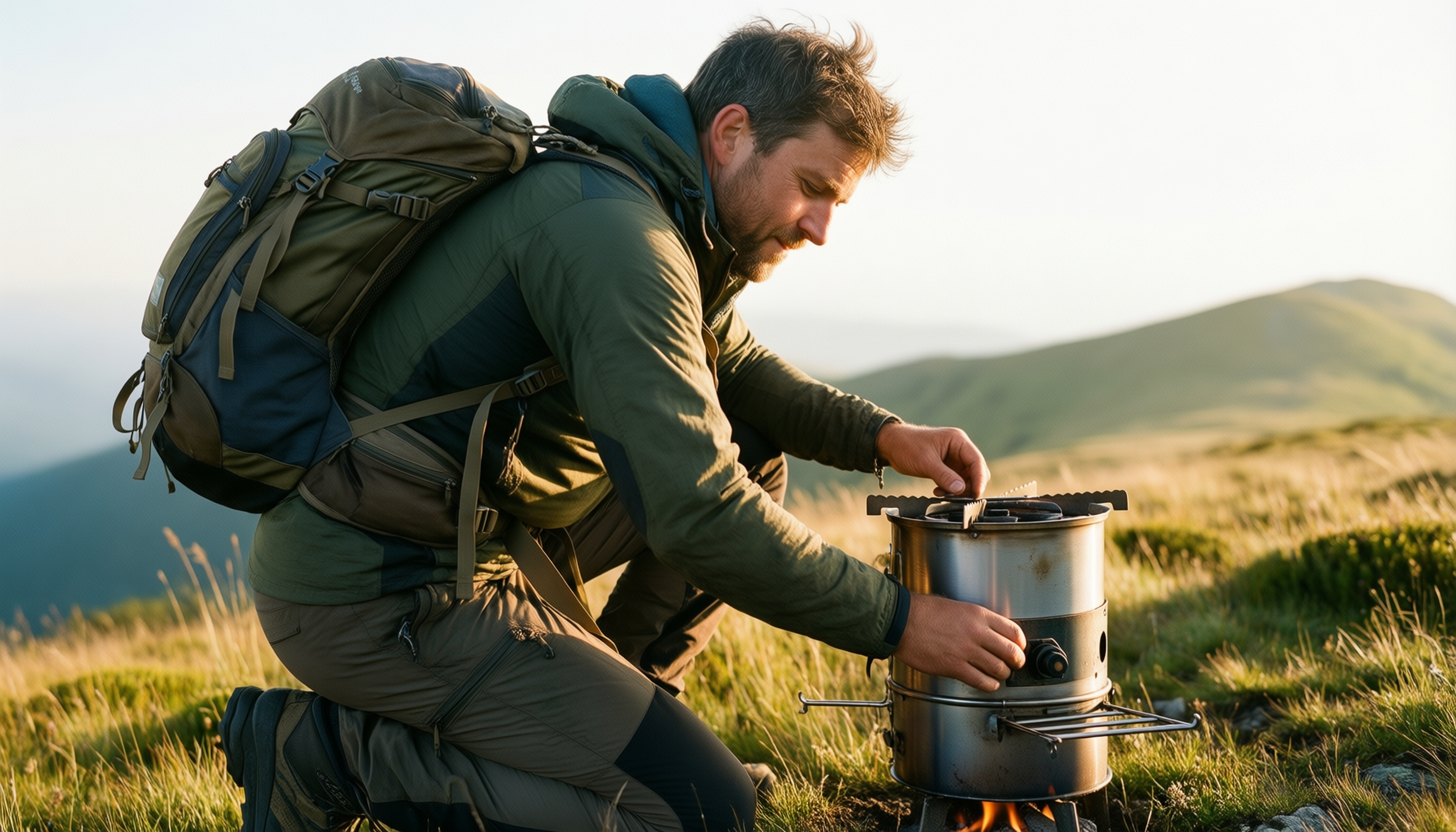
The ability to use wood is a significant differentiator for those who prefer foraging over carrying fuel. The detachable stainless steel plate helps contain the firewood while it is burning, which is a useful feature for managing small pieces of wood that might otherwise scatter. This design element ensures that the heat is directed upwards into the pot rather than lost to the sides, improving efficiency when using irregularly shaped natural fuel. For hikers who carry alcohol, the stove’s design accommodates the evaporation process, allowing for a steady burn that can be adjusted by the amount of fuel added.
Structural Integrity and Heat Management
The stainless steel construction is designed to handle the high temperatures generated by the fire, ensuring that the structure remains stable even under intense heat. The description highlights that the stove can support pots and pans, indicating that the base is rigid enough to prevent warping or bending during use. This stability is crucial for safe cooking, as a wobbly base can lead to spills or uneven heating. The material’s durability means that the stove is less likely to fail due to metal fatigue, a common issue with thinner, cheaper materials that may not withstand the rigors of frequent outdoor use.
Where the Design Falls Short
One of the most significant limitations of this design is its reliance on external wind protection. The open-top structure, while efficient for airflow, offers no inherent shield against wind, which is a common challenge in exposed UK locations such as ridgelines or coastal paths. Unlike integrated systems that include a windscreen as part of the stove assembly, this model requires you to bring a separate windscreen or position the stove in a sheltered spot. This adds an extra item to your pack and requires more setup time, which can be a disadvantage when you are trying to cook quickly in bad weather.
The ignition process is another area where this stove may not meet the expectations of users accustomed to canister systems. Rocket stoves typically require a “warm-up” period to establish a steady airflow and heat the chimney, which can take longer than the instant ignition of a piezo-ignited canister stove. In cold or damp conditions, lighting the stove can be more challenging, requiring a reliable lighter and a dry fuel source. This slower start-up time is a trade-off for the fuel flexibility and lower weight, but it is a factor to consider if you need to boil water rapidly for a group.
The capacity of the cooking surface is another consideration for larger groups. While the description mentions a “sizeable cooking surface,” the single-burner design means that you can only cook one pot at a time. For a group of four or more, this becomes a bottleneck, as you will need to wait for one pot to finish before starting the next. This is less of an issue for solo hikers or couples, but it is a clear limitation for larger parties who require simultaneous cooking of multiple dishes.
Wind Protection Challenges
The lack of an integrated windscreen is a practical issue for hikers who frequently encounter gusty conditions. The chimney design relies on a steady airflow to maintain the fire, and strong winds can disrupt this flow, causing the flame to flicker or go out. To mitigate this, users often need to carry a separate windscreen, which adds weight and bulk to the pack. The mesh bag included with the stove does not provide wind protection, so you must plan for this additional gear if you are heading to exposed areas.
Ignition and Warm-Up Time
The ignition process for a rocket stove is different from that of a canister stove, requiring a bit more patience and technique. The stove needs to be lit with a small amount of fuel to start the combustion process, which then feeds the main fire. This warm-up period can be longer in cold weather, as the metal needs to reach a certain temperature to sustain the airflow. Users should be prepared for a slower start-up time, especially if they are using wood or alcohol, which may require more careful lighting than a pressurized gas canister.
Who Should Skip This
Hikers who require rapid boil times for large groups should consider a different type of stove. The single-burner design of this model means that you cannot cook multiple pots simultaneously, which can slow down meal preparation for a group of four or more. If you are leading a group trip where time is a factor, a multi-burner canister stove or a high-output integrated system may be a better fit. The ohuhu rocket stove is best suited for solo hikers or small groups who do not mind waiting for each pot to finish before starting the next.
Users who plan to cook complex meals requiring precise temperature control may find this stove less suitable. Rocket stoves are best for boiling water and cooking simple meals that do not require low, steady heat for extended periods. The adjustable ash catcher offers two heights, but the heat control is not as precise as that of a canister stove with a dial. If you need to simmer sauces or cook delicate dishes, you may find that the open-top design and variable airflow make it difficult to maintain a consistent temperature.
Those unwilling to carry separate fuel may find the logistics more complex than a canister stove. While the stove is lightweight, you still need to carry fuel, whether it is wood, alcohol, or solid tablets. For some hikers, the hassle of managing different fuel types and ensuring you have enough for the trip may outweigh the benefits of the stove’s flexibility. If you prefer the simplicity of a single fuel source that is easy to store and use, a canister stove may be a more convenient option.
Group Cooking Limitations
The single-burner design is a clear limitation for group cooking. If you are cooking for four or more people, you will need to wait for one pot to finish before starting the next, which can add significant time to your meal preparation. This is less of an issue for solo hikers, but it is a factor to consider if you are leading a group trip. The stove’s compact size and lightweight design are advantages for solo use, but they do not translate to efficiency for larger groups.
Precision Cooking Challenges
The open-top design and variable airflow make it difficult to maintain a consistent temperature for precise cooking. If you need to simmer sauces or cook delicate dishes, you may find that the heat fluctuates too much to achieve the desired result. The adjustable ash catcher offers some control, but it is not as precise as a canister stove with a dial. For hikers who enjoy cooking complex meals, this may be a significant limitation.
How It Compares in Its Category
When comparing this model to other options in the category, the fuel flexibility is its strongest advantage. Unlike typical canister stoves that are limited to butane or isobutane, this model can burn wood, alcohol, and solid tablets. This versatility is particularly useful for hikers who want to reduce their reliance on purchased fuel and take advantage of natural resources. However, this flexibility comes with the trade-off of a slower ignition process and a lack of integrated wind protection.
In terms of weight, this model is competitive with other lightweight stoves. At 0.98 lbs, it is lighter than many canister stoves, which often weigh more due to the inclusion of a windscreen and ignition system. This weight advantage is significant for hikers who are trying to minimize the weight of their pack. However, you need to factor in the weight of the fuel you carry, which can vary depending on the type of fuel you choose.
The stainless steel construction is a plus for durability, as it is more resistant to corrosion than aluminum. This is a significant advantage for hikers who frequently encounter damp conditions, as the metal is less likely to rust or degrade over time. The detachable stainless steel plate is also a useful feature for containing fuel and managing the fire, which is not always present in other models.
Fuel Efficiency and Cost
The cost of fuel is a factor to consider when choosing a stove. Wood is free if you can forage for it, but it requires time and effort to gather. Alcohol and solid tablets are more convenient but need to be purchased. The cost per meal will vary depending on the fuel you choose, but the flexibility to use different fuels can help you manage costs over time. For hikers who are budget-conscious, the ability to use wood can be a significant advantage.
Durability and Maintenance
The stainless steel construction is durable and requires minimal maintenance. The stove is easy to clean, and the detachable plate can be removed for cleaning. The mesh bag provides protection during transport, but you should still be careful to avoid dropping the stove or exposing it to sharp objects. The overall durability of the stove is a plus for hikers who want a long-lasting piece of gear.
Packing for a National Park Trek
Packing this stove for a multi-day trek is straightforward, thanks to its compact size and lightweight design. The stove folds down to fit into a 20L daypack alongside other gear, making it easy to carry without taking up too much space. The mesh bag provides protection during transport, and the stove’s compact size means it can be stored in a side pocket or the main compartment of your pack.
When packing the stove, it is important to ensure that the chimney and pot are stored securely to prevent damage during transport. The detachable plate can be stored separately, and the stove’s components should be packed in a way that prevents them from shifting or knocking against each other. You should also consider packing a separate windscreen if you are heading to exposed areas, as this will add weight but provide necessary protection.
Organizing your fuel is another important consideration. If you are using alcohol, you should store it in a leak-proof container to prevent spills in your pack. If you are using wood, you should ensure that it is dry and stored in a way that prevents it from getting wet. The balance between the stove’s weight and the added weight of the necessary fuel supply is a key factor in your overall pack weight.
Storage and Protection
The mesh bag included with the stove provides basic protection during transport, but you should still be careful to avoid dropping the stove or exposing it to sharp objects. The stove’s compact size means it can be stored in a side pocket or the main compartment of your pack, but you should ensure that it is secured to prevent it from shifting. The detachable plate can be stored separately, and the stove’s components should be packed in a way that prevents them from knocking against each other.
Fuel Organization
Organizing your fuel is a key part of packing for a trek. If you are using alcohol, you should store it in a leak-proof container to prevent spills in your pack. If you are using wood, you should ensure that it is dry and stored in a way that prevents it from getting wet. The balance between the stove’s weight and the added weight of the necessary fuel supply is a key factor in your overall pack weight. You should consider the type of fuel you are using and the amount you need for your trip when planning your pack.
Final Verdict
The ohuhu rocket stove is a versatile and lightweight option for hikers who prioritize fuel flexibility and durability. Its stainless steel construction and dual-fuel capability make it a reliable choice for a variety of outdoor environments, particularly in the UK where damp conditions are common. The main limitations are its lack of integrated wind protection and slower ignition process, which are trade-offs for its lightweight design and fuel versatility. This model is best for solo hikers and backpackers who are willing to manage their own fuel and do not require rapid boil times for large groups. If you are looking for a simple, durable, and flexible cooking solution for your next trek, this stove is a solid choice.
🛒 Check Price on Amazon →✓ See today's price & reviews