Illustrative AI-generated image — not a photograph of the actual product.
Trail Kids Sleeping Bag Review: Practical Warmth for Ages…

#ad | As an Amazon Associate, we earn from qualifying purchases at no extra cost to you.
The Trail Overnight Adventure addresses a specific gap in family camping gear: the need for a warm, manageable sleeping system for children aged 4 to 12 without the bulk of adult-sized equipment. Its standout feature is the integrated 200D Oxford polyester rucksack, which allows children to carry their own gear independently, fostering a sense of responsibility during trips. However, the 300gsm hollowfibre filling and -5°C comfort limit mean it is not suitable for deep winter camping or high-altitude expeditions. This product is best for families planning 3-season camping trips who want a durable, child-sized bag that eliminates the hassle of separate compression sacks.
The 300gsm Fill and Thermal Balance
The core specification of this model is its 300gsm hollowfibre filling, a metric that defines its thermal performance and pack size. In practical terms, 300gsm provides a moderate level of insulation that is sufficient for the UK’s variable climate but not excessive for mild summer nights. This density strikes a balance between retaining body heat and keeping the overall weight manageable for a child to handle. For parents, this means the bag is warm enough for early spring or late autumn evenings when temperatures drop, yet not so heavy that it becomes a burden for a young camper.
🛒 Check Price on Amazon →✓ See today's price & reviews
The water-repellent 190T polyester shell works in tandem with the filling to protect against dampness. While the shell is not fully waterproof, its repellent properties help shed light rain or morning dew, keeping the hollowfibre dry and functional. This is a critical detail for UK camping, where weather can shift rapidly. The combination of the shell and fill ensures that the bag maintains its insulating properties even in slightly wet conditions, provided the outer layer is not saturated.
Unlike heavier, down-filled alternatives that require careful drying and storage, this synthetic fill is more forgiving. If the bag does get damp, it can be air-dried relatively quickly without losing loft or warmth. This durability makes it a practical choice for families who may not have controlled indoor drying space after a rainy weekend. The 300gsm specification is a deliberate design choice that prioritizes ease of use and maintenance over maximum cold-weather performance.
Hollowfibre Insulation Mechanics
The hollowfibre structure of the filling creates air pockets that trap heat, a mechanism that is less efficient than down but more resilient to moisture. This design choice means the bag will not clump or lose warmth if it gets slightly damp, a common issue with cheaper polyester fills. The 300gsm weight ensures that these air pockets are dense enough to provide consistent warmth without adding unnecessary bulk. For a child sleeping in a tent, this consistency is more valuable than peak warmth, as it prevents the “cold spot” effect often found in unevenly filled bags.
The synthetic nature of the fill also means the bag is hypoallergenic, a significant advantage for children with sensitivities to down or feathers. This makes the Trail Overnight Adventure a safer choice for a wider range of children, including those with respiratory issues. The material is also easier to clean, as it can typically be machine washed on a gentle cycle, unlike down which requires specialized care. This low-maintenance aspect is a hidden benefit for busy parents managing multiple pieces of camping gear.
Rucksack Utility and Portability
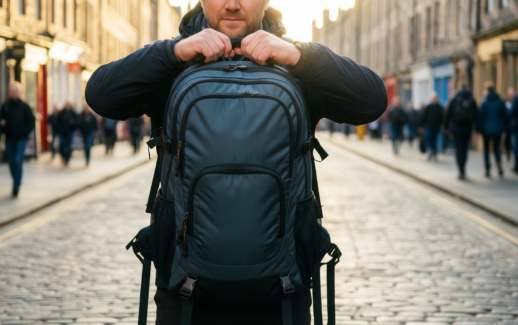
The inclusion of a zipped rucksack style carry bag is a defining feature of this product, transforming it from a simple sleeping bag into a complete carrying system. The rucksack is made from durable 200D Oxford polyester and measures 36cm x 26cm x 18cm, a size specifically calibrated to hold the compressed sleeping bag. When the bag is stuffed inside, the total weight is a lightweight 1.03kg, a figure that is easily manageable for children aged 4 to 12. This integration removes the need for parents to buy a separate compression sack and backpack, simplifying the packing process.
The design of the rucksack allows children to carry their own gear, which is a powerful tool for building independence and confidence. For a 5-year-old, carrying a 1kg load is a manageable challenge that feels like a significant achievement. The zipped closure ensures the bag stays secure during movement, preventing the sleeping bag from shifting or falling out. This is a practical improvement over standard compression sacks, which often require fiddly buckles or straps that can be difficult for small hands to operate.
The rucksack’s dimensions are fixed, which means it is not a modular system that can accommodate other gear. It is designed specifically for the sleeping bag, not for extra clothing or food. This limitation is acceptable for most camping trips where the sleeping bag is the primary item a child needs to carry. However, if you plan to have your child carry additional items, you will need a separate backpack. The 1.03kg weight is a key specification that ensures the load remains within safe limits for young children, preventing strain on their developing spines.
Integrated Carry System Benefits
The integrated system offers a streamlined solution for parents who are managing multiple children’s gear. Instead of juggling separate compression sacks and backpacks, you have a single unit that is ready to go. This reduces the cognitive load of packing and ensures that no essential item is left behind. The rucksack’s sturdy construction means it can withstand the rigors of outdoor use, including being dragged over gravel or placed on rough ground.
The fixed size of the rucksack is a trade-off for its simplicity. It does not offer the flexibility of a modular system where you can adjust the size based on the gear you are carrying. However, for the specific purpose of carrying a sleeping bag, this fixed size is optimal. It ensures that the bag is compressed to the right degree to fit inside, preventing it from being too loose or too tight. This precision in design is a testament to the manufacturer’s focus on user experience.
Fit and Sizing for Ages 4 to 12
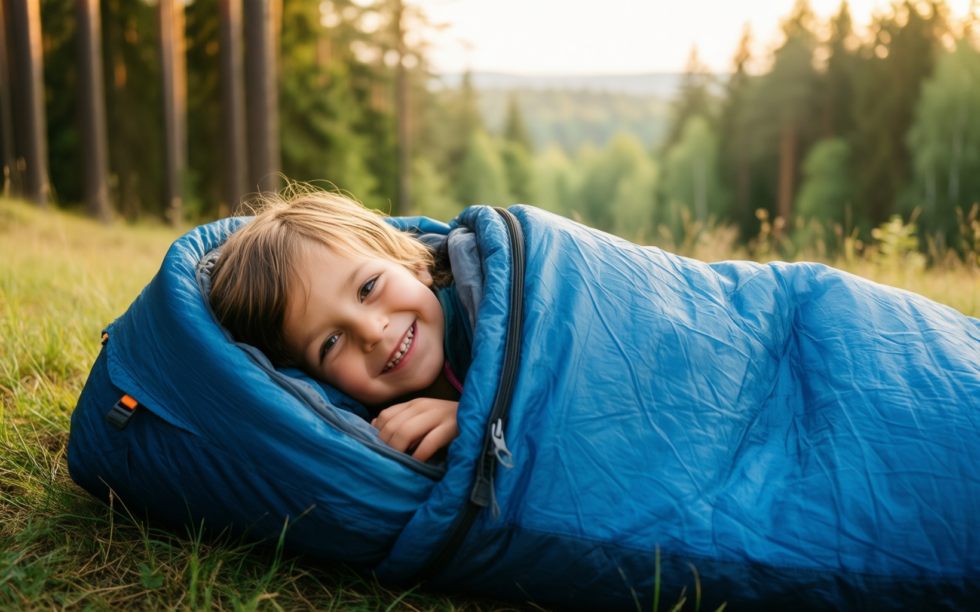
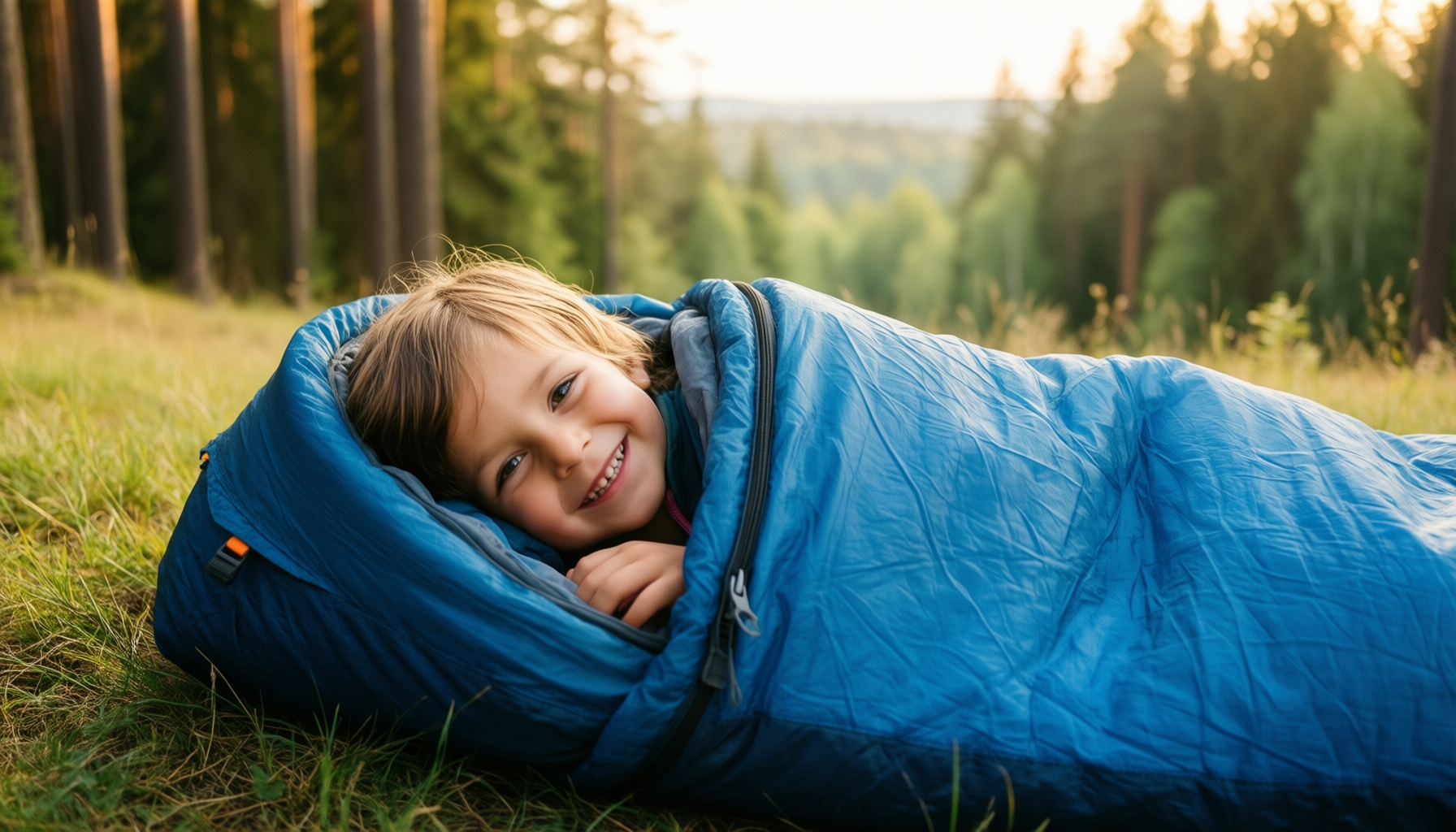
The sleeping bag measures 170cm in length, a dimension that is explicitly designed for children aged 4 to 12 years old with a maximum height of 5ft 5in. This length is a critical specification that ensures the bag fits the target demographic without being too short for older children or too long for younger ones. The tapered mummy shape, which measures 70cm wide at the top and 50cm wide at the bottom, is engineered to reduce air space around the body, enhancing warmth retention. This shape is a significant improvement over rectangular bags, which allow more cold air to circulate.
The mummy cut is particularly effective for children who tend to curl up while sleeping, as it conforms to their body shape and minimizes the volume of air that needs to be heated. The 70cm width at the shoulders provides enough room for comfort without being so wide that it compromises insulation. The 50cm width at the feet is narrow enough to keep the feet warm but wide enough to prevent a cramped feeling. This balance is crucial for ensuring that children sleep comfortably throughout the night.
The elasticated hood is another key feature that contributes to the fit and warmth of the bag. Unlike drawcord hoods, which can be difficult to adjust and pose a strangulation risk for young children, the elasticated hood provides a secure seal without the need for manual adjustment. This design choice prioritizes safety and ease of use, making it ideal for younger children who may not have the dexterity to manage a drawcord. The hood helps to trap heat around the head, a critical area for heat loss, ensuring that the child stays warm even in cooler conditions.
Mummy Shape and Thermal Efficiency
The tapered design of the mummy shape is a deliberate choice to maximize thermal efficiency. By reducing the volume of air inside the bag, the body’s heat is retained more effectively, reducing the amount of energy required to maintain a comfortable temperature. This is particularly important for children, who may not generate as much body heat as adults. The 70cm to 50cm taper ensures that the bag is snug around the torso and feet, where heat loss is most significant.
The 170cm length is a precise specification that aligns with the height range of the target age group. This ensures that the bag is not too short, which would cause the child’s feet to stick out, or too long, which would create excess air space. The fit is designed to be comfortable and secure, allowing the child to sleep in a natural position without feeling restricted. The mummy shape also makes the bag easier to pack, as it compresses into a smaller volume than a rectangular bag of the same length.
Who Should Skip This Bag
While the Trail Overnight Adventure is a well-designed product for its target market, it is not suitable for all camping scenarios. The 3-season rating, with a comfort limit of -5°C to 15°C, means it is not designed for winter camping or high-altitude environments where temperatures can drop significantly below -5°C. If you plan to camp in deep winter or in mountainous regions with cold nights, you will need a bag with a lower comfort limit and higher fill weight. This bag is best for spring, summer, and autumn camping in temperate climates.
The mummy shape, while efficient for warmth, may feel restrictive for children who sleep very actively or prefer a lot of space to move around. If your child is a “heavy sleeper” who tosses and turns frequently, the tapered design may feel confining. In such cases, a rectangular bag might be a better fit, despite the loss in thermal efficiency. The 170cm length is also a hard limit; if your child is taller than 5ft 5in, this bag will be too short, and you will need to look for a larger size.
The included rucksack is designed for carrying the sleeping bag, not for heavy loads. If you plan to have your child carry additional gear such as a tent, food, or clothing, the 1.03kg weight limit of the rucksack will be insufficient. You will need a separate backpack for these items. The rucksack is a convenient solution for the sleeping bag, but it is not a full hiking backpack. This limitation is important to consider when planning your camping trip and packing list.
Comparison with Standard Compression Systems
The integrated rucksack system offers a distinct advantage over buying a separate compression sack and backpack. For parents managing multiple children’s gear, the simplicity of a single unit is a significant benefit. There is no need to fiddle with compression straps or worry about the sack coming loose. The rucksack is designed to be used as is, with the sleeping bag stuffed inside and the zip closed. This ease of use is a major plus for families who want to minimize the hassle of packing and unpacking.
However, the fixed size of the rucksack is a trade-off for this convenience. A separate compression sack and backpack system offers more flexibility, as you can adjust the size of the sack and choose a backpack that fits your specific needs. If you plan to carry other items in addition to the sleeping bag, a modular system may be more suitable. The integrated rucksack is a streamlined solution for a specific purpose, but it lacks the versatility of a modular system.
The 1.03kg weight of the rucksack with the sleeping bag inside is a key specification that ensures the load is manageable for children. This weight is significantly lower than many adult sleeping bags, which can weigh over 2kg. This lightweight design is a major advantage for family camping, as it allows children to carry their own gear without strain. The rucksack’s durable 200D Oxford polyester construction ensures that it can withstand the rigors of outdoor use, making it a reliable choice for repeated trips.
Final Verdict
The Trail Overnight Adventure is a well-designed, practical sleeping bag for children aged 4 to 12 who are planning 3-season camping trips. Its 300gsm hollowfibre filling and 170cm length provide a good balance of warmth and fit, while the integrated rucksack offers a convenient and safe way for children to carry their gear. The elasticated hood and 2-way zipper add to the comfort and usability of the bag, making it a solid choice for family camping.
Who this is perfect for: This bag is ideal for families with children aged 4 to 12 (up to 5ft 5in) who are planning camping trips during spring, summer, and autumn. It is particularly well-suited for parents who want to reduce packing complexity by using a single integrated carry system and for those with children who have sensitivities to down or feathers, thanks to the hypoallergenic synthetic fill.
Who should choose alternatives: You should look elsewhere if you are planning winter camping or high-altitude expeditions, as the -5°C comfort limit is insufficient for deep cold. It is also not the right choice for children taller than 5ft 5in, or for those who require a rectangular sleeping bag for unrestricted movement. Additionally, if your child needs to carry additional gear beyond the sleeping bag, you will need to purchase a separate, larger backpack, as the included rucksack is strictly for the bag itself.
🛒 Check Price on Amazon →✓ See today's price & reviews