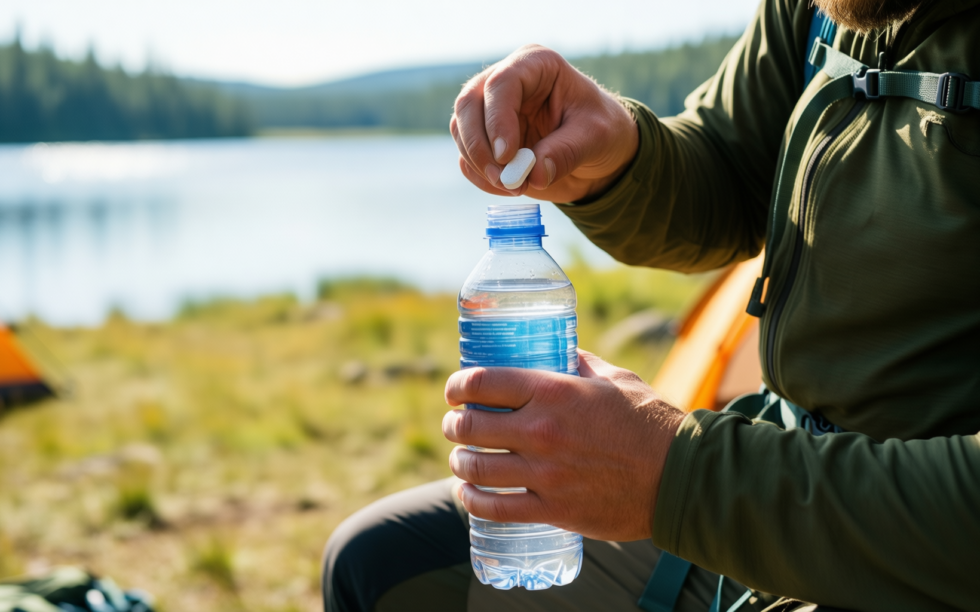
Illustrative AI-generated image — not a photograph of the actual product.
Lifesystems Chlorine Dioxide Water Purification Tablets…

#ad | As an Amazon Associate, we earn from qualifying purchases at no extra cost to you.
Disclosure: As an Amazon Associate I earn from qualifying purchases.
For hikers and campers who find the medicinal taste of traditional iodine tablets unpalatable, Lifesystems chlorine dioxide tablets offer a distinct advantage: a neutral taste profile that makes treated water suitable for drinking, brushing teeth, and washing produce. This product addresses the specific need to treat up to 30 litres of water without introducing a harsh chemical aftertaste, a common complaint with other chemical methods. However, the primary limitation is the requirement for a waiting period to ensure full efficacy, which can be inconvenient when immediate hydration is needed.
🛒 Check Price on Amazon →✓ See today's price & reviews
The core value proposition here is simplicity and long-term storage stability. Unlike electronic purifiers that require batteries or filters that need maintenance, these tablets are lightweight, require no power, and have a shelf life of up to three years. This makes them a practical choice for group camping scenarios where you need to treat a large volume of water for cooking and washing over several days. The trade-off is that you cannot drink the water immediately; you must plan your usage around the disinfection time.
This review is based on the product’s stated specifications and intended use cases, such as the Duke of Edinburgh Award and UK emergency preparedness. The following analysis breaks down how the 30-litre capacity, neutral taste, and storage requirements impact real-world usage for solo travelers, groups, and emergency kit planners.
Treating 30 Litres for Group Camps
The specification that one pack treats 30 litres is a critical metric for group scenarios. Unlike single-use filters that require constant maintenance, this chemical approach allows you to treat a large volume at once. This is particularly useful for base camps where you might need water for cooking, washing, and drinking over several days. The ability to treat a large batch means you are not limited by the capacity of a single bottle or filter cartridge.
When calculating dosage for a group, you must account for the total volume required. If you are camping with three people who each drink two litres a day, you need six litres per day. A single pack of 30 tablets covers five days of drinking water for that group. This calculation helps in planning resupply points. You do not need to carry a heavy water container if you can treat local sources, provided they are not heavily contaminated with particulates.
The waiting time is a factor that must be planned into your daily routine. While the water is safe for some uses sooner, full disinfection against viruses and cysts requires a specific duration. For a 30-litre batch, this means you are treating water for future use, not immediate consumption. This is a strategic advantage for overnight stays where you can prepare the next day’s water in the evening. It shifts the task from a daily chore to a batch process, saving time during the day.
Dosage for Large Volumes
The ratio of one tablet per litre is straightforward, but the practical application requires care. You must ensure the tablets are fully dissolved before the water is used. If you are treating a large container, stirring or shaking the container helps the process. The tablets are designed to break down, but in large volumes, the dissolution rate might be slower. Patience is key to ensuring the chlorine dioxide is distributed evenly throughout the water.
Highland Water Sources
In the Scottish Highlands, water sources are abundant but can vary in quality. River water may contain sediment that clouds the water. While the tablets kill pathogens, they do not filter out dirt or sand. If the source water is very muddy, the treated water will still be cloudy. This is a cosmetic issue rather than a safety one, but it affects the drinking experience. Pre-filtering through a cloth or a basic mesh filter can improve clarity before adding the tablets.
Why Sensitive Stomachs Prefer Chlorine Dioxide
The taste profile is the primary reason many users switch to this method. Iodine-based tablets often leave a distinct, medicinal taste that can be unpleasant, especially when drinking large amounts. Chlorine dioxide, as stated in the product description, has little or no aftertaste. This makes it a more pleasant option for those who are sensitive to chemical tastes. The neutral profile means you can drink the water without adding flavorings or waiting for the taste to dissipate.
For individuals with thyroid issues or iodine sensitivities, this is a significant advantage. Iodine is a known allergen for some people, and consuming it regularly can cause health issues. Chlorine dioxide does not contain iodine, making it a safer alternative for these users. The product description highlights its use for disinfecting water for cleaning teeth and washing fruit, which further supports its suitability for sensitive users. You can use the treated water for oral hygiene without the risk of iodine exposure.
The comparison with other purification methods is clear in terms of user experience. While electronic purifiers offer instant results, they require batteries and maintenance. Chemical tablets are simple and reliable. The lack of a harsh taste means that the water is more likely to be consumed fully, which is important for hydration in the field. This is a practical benefit that extends beyond just safety to overall user comfort.
Taste and Odor Profiles
The neutral taste is a key differentiator. Many users report that the water tastes like plain water, which is a significant improvement over iodine. This is particularly important for long trips where you are drinking purified water daily. The absence of a chemical taste reduces the likelihood of developing a distaste for drinking water, which can lead to dehydration. The product is designed to be palatable, which is a feature that is often overlooked in technical specifications.
Safety for Sensitive Users
The safety profile is supported by the chemical composition. Chlorine dioxide is a well-studied disinfectant that is effective against a wide range of pathogens. The product description notes that it kills most viruses, bacteria, and cysts. This broad spectrum of activity is important for ensuring safety in various environments. The lack of iodine makes it a suitable choice for those with specific health concerns. The product is recommended for use in various scenarios, including the Duke of Edinburgh Award, which suggests a level of trust in its safety and efficacy.
Who Should Skip Lifesystems for a Steripen or Aquatabs
This product is not suitable for everyone. If you need immediate access to safe drinking water, the waiting time associated with chemical tablets can be a disadvantage. Electronic purifiers, such as Steripens, offer instant purification. If you are in a situation where you cannot wait, an electronic device may be a better choice. The tablets require time to work, which is a trade-off for their simplicity and long shelf life.
For solo travelers, the cost per litre might be a consideration. While the product treats 30 litres, the initial cost might be higher than a single-use filter for a short trip. If you are only treating a small amount of water, the tablets might be overkill. A small filter or a single-use purification device might be more practical. The tablets are best suited for groups or long trips where the volume of water treated justifies the cost.
The limitation regarding turbidity is also a factor. If you are in an area with very muddy water, the tablets will not clarify the water. You will need to pre-filter the water before treating it. This adds an extra step to the process. If you are in a clean water environment, this is not an issue. However, in remote or polluted areas, the need for pre-filtering can make the process more complex.
Instant Purification Needs
The waiting time is the main drawback for those who need instant results. The product description does not specify the exact time required for full efficacy, but it is generally known that chlorine dioxide requires a certain period to kill all pathogens. This means you cannot drink the water immediately after adding the tablets. If you are dehydrated and need water now, this is a significant limitation. Electronic purifiers do not have this issue, as they kill pathogens in seconds.
Solo Traveler Considerations
For solo travelers, the 30-litre capacity might be more than needed. If you are on a short trip, you might not use all the tablets. The shelf life is up to three years, so they will not expire quickly. However, carrying extra tablets adds weight and bulk. A smaller package or a different purification method might be more suitable for short, solo trips. The tablets are best for those who are planning for longer durations or larger groups.
Integrating Tablets into Your UK Emergency Preparedness Kit
The shelf life of up to three years makes these tablets a good candidate for emergency kits. Unlike electronic devices that require batteries, chemical tablets do not need power. This makes them reliable in situations where power is unavailable. The product description notes that an unopened tablet will last up to three years from the date of manufacture. This is a significant advantage for long-term storage.
In damp UK climates, storage is a consideration. The tablets should be kept in a dry place to maintain their efficacy. Moisture can affect the chemical composition of the tablets. It is recommended to store them in a sealed container to protect them from humidity. This is a simple step that ensures the tablets remain effective when needed. The product is designed to be stable, but proper storage is still important.
The regulatory context is also relevant. For UK travelers abroad, water purification is often recommended due to varying water quality standards. The product is recommended for the Duke of Edinburgh Award, which suggests it is a trusted method for outdoor activities. For domestic camping, the need for purification depends on the water source. In remote areas, treating water is a prudent measure. The tablets provide a simple and effective solution for this purpose.
Storage Best Practices
The storage of the tablets is crucial for maintaining their shelf life. The product description states that an unopened tablet will last up to three years. This means that the packaging must be kept intact to protect the tablets from moisture and air. In a damp environment, such as a UK home, it is important to store the tablets in a dry, cool place. A sealed container is recommended to prevent any moisture from affecting the tablets.
Emergency Kit Integration
The integration of these tablets into an emergency kit is straightforward. They are lightweight and do not require maintenance. Unlike filters that can clog or electronic devices that can fail, chemical tablets are reliable. They can be stored alongside other emergency supplies, such as food and water. The product description highlights their use for treating drinking water, which is a primary need in an emergency. The tablets provide a simple and effective solution for ensuring safe water in a crisis.
Step-by-Step: Using Lifesystems for Backpacking in the Lake District
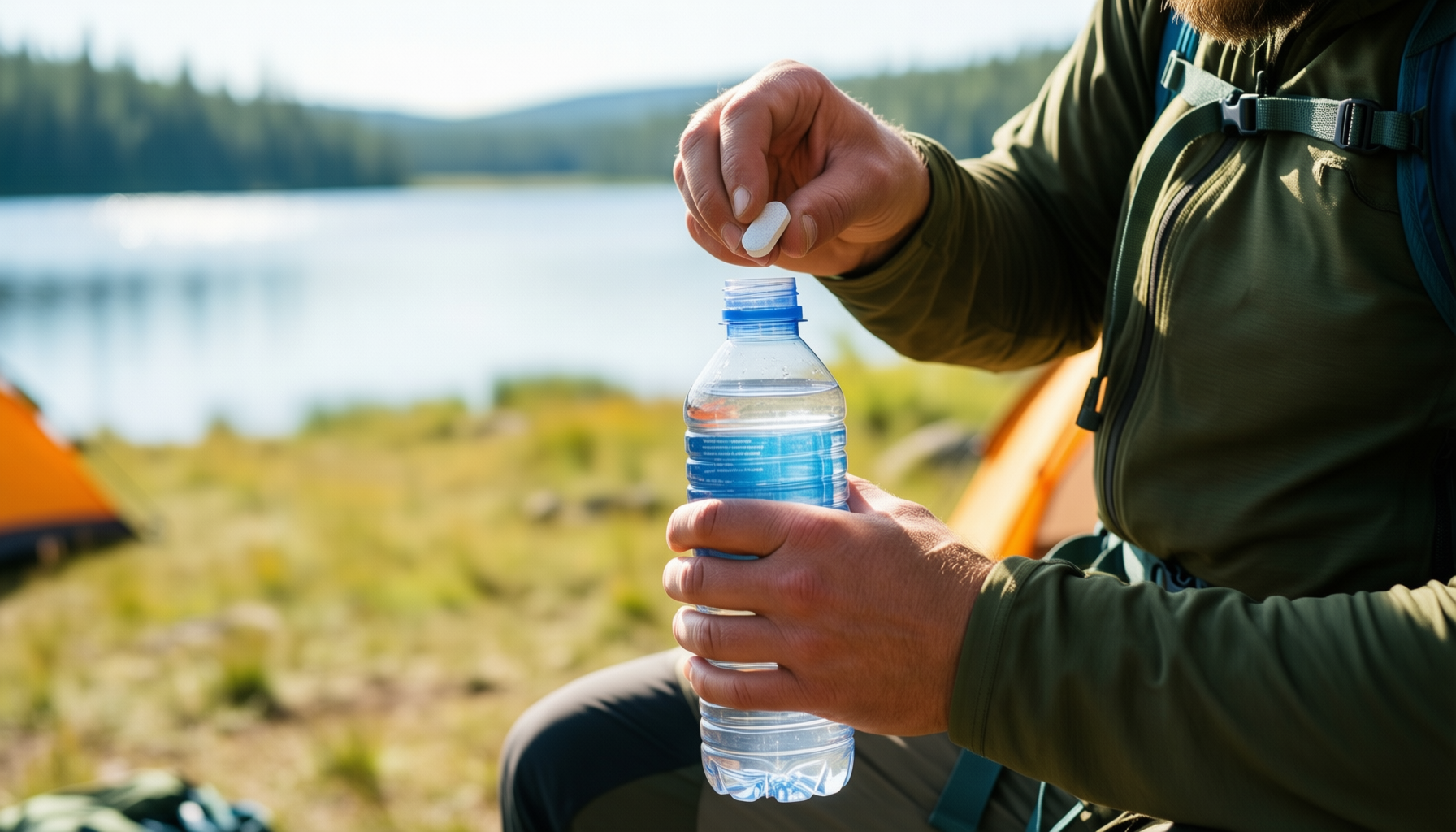
The practical use of these tablets in the Lake District is a common scenario for backpackers. The water sources in this area are generally clean, but treatment is still recommended to ensure safety. The process involves adding one tablet per litre of water. This is a simple step that requires no special equipment. The tablets dissolve in the water, and you wait for the recommended time before drinking.
The timing is a critical aspect of the process. While the water may be safe for some uses sooner, full disinfection requires a specific duration. It is important to follow the guidelines to ensure that all pathogens are killed. The product description does not specify the exact time, but it is generally known that chlorine dioxide requires a certain period to work. This means you need to plan your water treatment in advance.
Troubleshooting is also a consideration. If the water remains cloudy after treatment, it is likely due to sediment in the source water. This does not affect the safety of the water, but it may affect the taste. Pre-filtering the water before adding the tablets can help with this issue. If the water tastes off, it may be due to the source water quality. In such cases, it is best to find a cleaner source or use a different purification method.
Dissolving Tablets in Containers
The dissolution of the tablets is a key step in the process. The tablets are designed to break down in water, but the rate of dissolution can vary. In a small container, such as a one-litre bottle, the tablets will dissolve quickly. In a larger container, such as a three-litre jug, the process may take longer. Stirring the water can help to speed up the dissolution. It is important to ensure that the tablets are fully dissolved before using the water.
Timing for Full Efficacy
The timing for full efficacy is a critical factor. The product description states that the tablets kill most viruses, bacteria, and cysts. This requires a specific amount of time to ensure that all pathogens are eliminated. It is important to wait for the recommended time before drinking the water. This ensures that the water is safe to consume. The waiting time is a trade-off for the simplicity and reliability of the chemical method.
Final Verdict
The Lifesystems chlorine dioxide water purification tablets are a reliable and effective solution for treating water in the field. The neutral taste profile and long shelf life make them a good choice for hikers and campers. The 30-litre capacity is suitable for groups or long trips. The main limitation is the waiting time required for full efficacy, which may be a disadvantage for those who need instant purification. For those who prioritize taste and simplicity, this product is a strong choice. It is a practical addition to any outdoor kit, providing a safe and palatable source of drinking water.
Who This Product Is Perfect For
This product is ideal for group campers and long-distance hikers who prioritize a neutral taste profile over instant results. It is particularly well-suited for:
- Groups of 3+ people: The 30-litre capacity allows for batch treatment, reducing the daily chore of purifying water.
- Users with iodine sensitivities: The lack of iodine makes it a safer option for those with thyroid issues or chemical taste aversions.
- Emergency preparedness planners: The three-year shelf life and lack of power requirements make it a durable, low-maintenance addition to a home emergency kit.
Who Should Choose Alternatives Instead
You should look for alternatives if:
- You need immediate hydration: If you are dehydrated and cannot wait for the disinfection period, an electronic purifier (like a Steripen) or a flow filter is a better choice.
- You are a solo traveler on a short trip: The 30-litre capacity may be excessive, adding unnecessary weight and bulk. A smaller filter or single-use tablets may be more practical.
- You are dealing with highly turbid (muddy) water without pre-filtration: These tablets do not clarify water. If you do not have a cloth or mesh filter to remove sediment first, the resulting water will be cloudy and unpleasant to drink, even if safe.
🛒 Check Price on Amazon →✓ See today's price & reviews