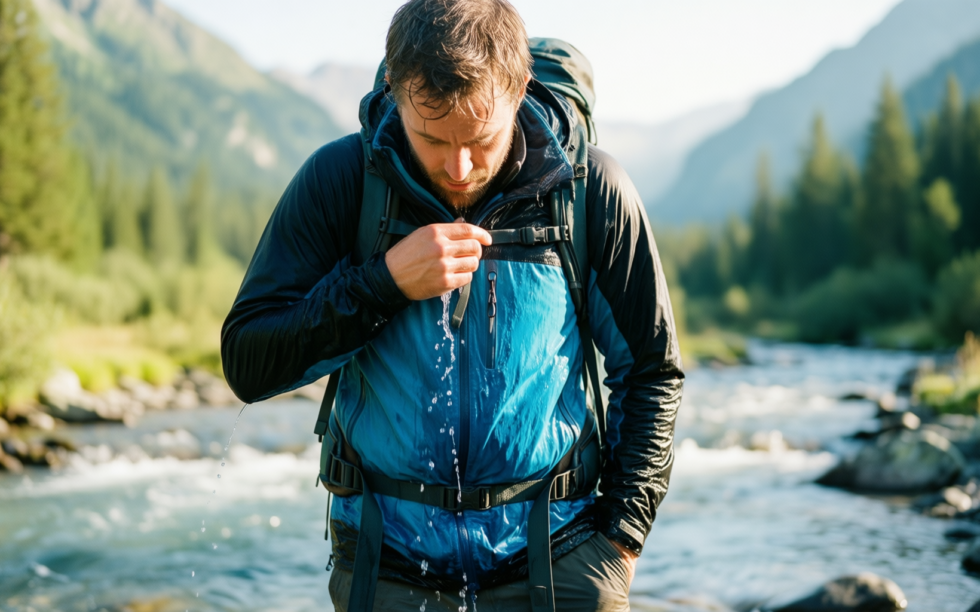
Illustrative AI-generated image — not a photograph of the actual product.
Grangers Wash + Repel Clothing 2 in 1 Review

#ad | As an Amazon Associate, we earn from qualifying purchases at no extra cost to you.
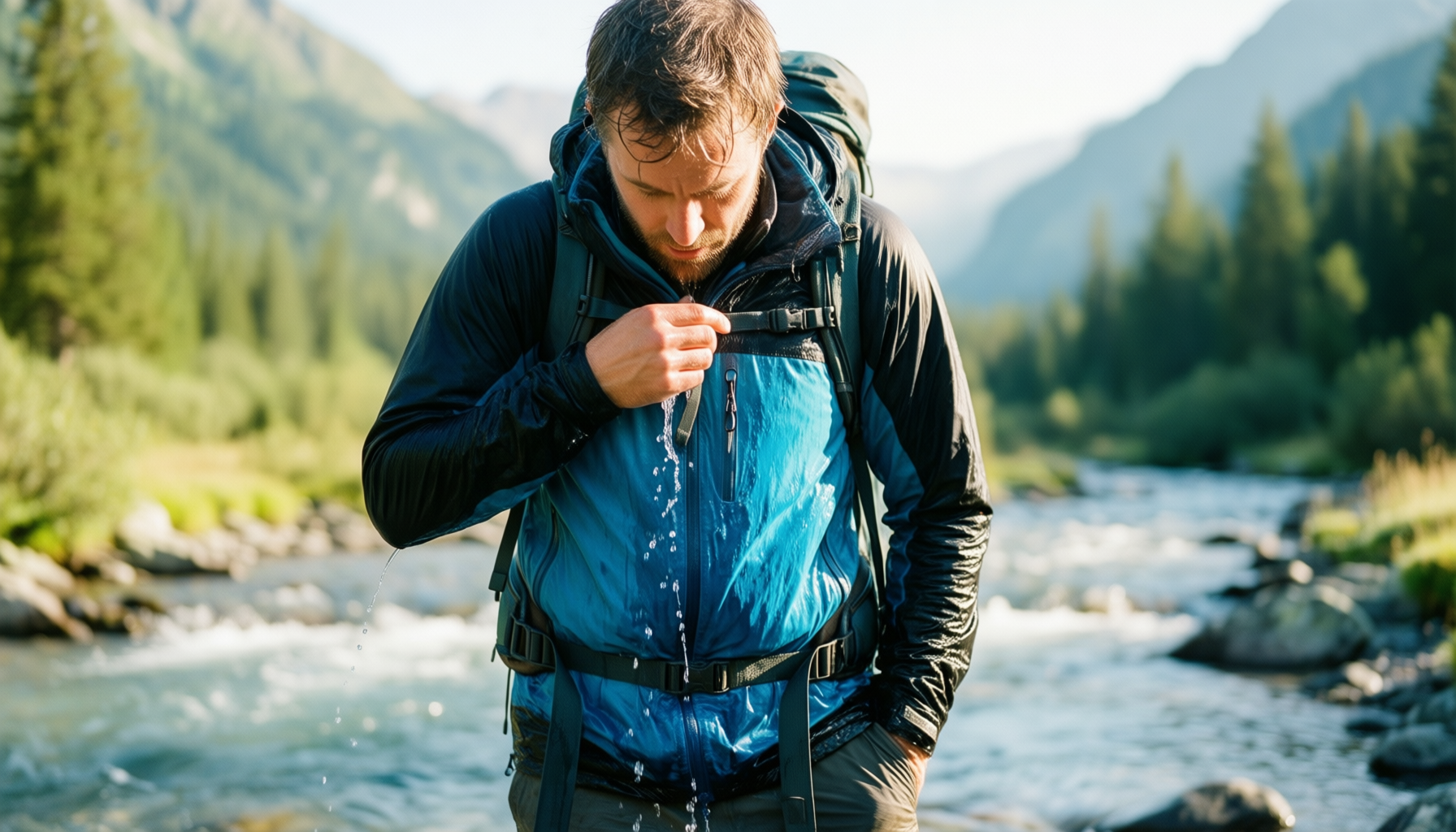
The Grangers Wash + Repel Clothing 2 in 1 is a specialized maintenance solution designed for owners of technical outdoor gear who need to address two specific issues simultaneously: the removal of accumulated dirt and the restoration of degraded durable water repellency (DWR). Its primary function is to combine cleaning and reproofing into a single wash cycle, eliminating the need for separate products. This product is best suited for hikers and runners who own garments with breathable, waterproof membranes like GORE-TEX or eVent and want to maintain their waterproofing without complex multi-step processes.
However, a key limitation is that this formulation is designed exclusively for breathable, waterproof membranes. It will not function on non-technical fabrics like waxed cotton, heavy canvas, or leather. If your gear relies on wax or natural oils for water resistance, this product is not the correct choice. Understanding this distinction is critical before purchase, as using a wash-in reproofer on incompatible materials will have no effect and may not clean the fabric effectively.
🛒 Check Price on Amazon →✓ See today's price & reviews
Restoring Beading on Technical Shells After Months of UK Drizzle
The primary indicator that your technical shell needs attention is when rain stops beading on the surface and begins to soak into the fabric. This phenomenon, known as DWR failure, occurs because the hydrophobic coating on the outer face of the garment degrades over time due to friction, UV exposure, and standard washing. When this happens, the fabric becomes saturated, which not only makes you wet but also compromises the breathability of the membrane underneath, as the wet outer layer blocks vapor from escaping.
Standard laundry detergents are a major contributor to this issue because they contain surfactants and fabric softeners that strip away the hydrophobic properties of the outer fabric. These residues can clog the pores of the membrane, reducing its ability to move moisture from the inside out. The Grangers Wash + Repel Clothing 2 in 1 addresses this by using a formulation that cleans the fabric without leaving behind residues that interfere with the DWR. It is specifically designed to work with breathable membranes like GORE-TEX, eVent, and FutureLight, ensuring that the cleaning process does not damage the underlying technology.
Pre-wash preparation is essential to ensure the product works effectively and does not damage the garment. Before placing the jacket in the machine, you should close all zippers and pockets to prevent them from snagging on other items or the drum. It is also advisable to remove any detachable hoods or liners if they are not made of the same technical fabric. This step ensures that the solution can penetrate the fabric evenly without being obstructed by hardware or non-technical materials.
The Role of the 2-in-1 Formulation
The core innovation of this product is its ability to perform two distinct functions in a single cycle. Most other aftercare systems require you to wash the garment with a dedicated cleaner first, rinse it, and then apply a separate reproofing agent. This two-step process consumes more water, energy, and time, which is often a barrier for busy outdoor enthusiasts. By combining these steps, the Grangers formulation simplifies the maintenance routine, making it easier to keep your gear in peak condition.
This integrated approach also ensures that the reproofing agent is applied to a clean surface. Dirt and oils can prevent the DWR from bonding correctly to the fabric fibers. By cleaning and reproofing simultaneously, the product ensures that the hydrophobic coating is applied to a pristine surface, maximizing its effectiveness and longevity. This is particularly important for garments that are used frequently in muddy or dusty conditions, where dirt accumulation is a constant challenge.
Pre-Wash Preparation Steps
Proper preparation is critical to the success of the wash-in process. Start by inspecting the garment for any visible damage, such as torn seams or broken zippers, and repair these before washing. Next, close all zippers and velcro closures to prevent them from catching on the fabric or other items in the drum. If your jacket has a detachable hood or liner, remove it unless it is made of the same technical material.
It is also important to check the care label on your garment to ensure that it is suitable for machine washing. While most technical shells are machine washable, some may require hand washing or specific temperature settings. Following the manufacturer’s instructions will help prevent damage to the fabric and membrane. Finally, ensure that the washing machine drum is clean and free of any fabric softener residues, as these can interfere with the performance of the Grangers product.
Who Should Skip This Product: Heavy-Duty Canvas and Non-Technical Fabrics
While the Grangers Wash + Repel Clothing 2 in 1 is effective for technical outdoor gear, it is not suitable for all types of clothing. This product is specifically formulated for breathable, waterproof membranes and will not work on non-technical fabrics such as waxed cotton, heavy canvas, or untreated denim. These materials do not have a hydrophobic coating that can be restored by a wash-in reproofer, and using this product on them will have no effect.
Waxed cotton jackets, for example, require a different type of care. They need to be cleaned with a mild soap and then re-waxed to maintain their water resistance. A wash-in reproofer like the Grangers product will not penetrate the wax coating and will not restore its water-repellent properties. Similarly, heavy canvas jackets are not designed to be waterproof in the same way as technical membranes, and they do not benefit from a DWR treatment.
Another group of buyers who should skip this product is those who own delicate synthetic garments that require specific low-heat drying. While the Grangers product is suitable for most technical fabrics, some delicate synthetics may be damaged by the heat required to reactivate the DWR. If your garment requires air drying only, you may need to look for a different type of aftercare product that does not rely on heat to activate the reproofing agent.
Limitations for Non-Technical Fabrics
The primary limitation of this product is its specific compatibility with technical membranes. It is not a general-purpose cleaner or waterproofing agent, and it will not work on fabrics that do not have a hydrophobic coating. This is an important consideration for buyers who own a mix of technical and non-technical outdoor gear. If you have a waxed cotton jacket or a heavy canvas coat, you will need to use a different type of product to maintain their water resistance.
It is also worth noting that this product is not suitable for leather or suede materials. These materials require specific care products that are designed to clean and condition them without damaging the natural fibers. Using a wash-in reproofer on leather or suede can cause the material to stiffen, crack, or lose its natural texture. Always check the care label on your garment before using any aftercare product to ensure that it is compatible with the material.
Incompatibility with Delicate Synthetics
While the Grangers product is suitable for most technical fabrics, some delicate synthetics may require a different type of care. For example, some lightweight running jackets may be too delicate to withstand the heat required to reactivate the DWR. If your garment requires air drying only, you may need to look for a different type of aftercare product that does not rely on heat to activate the reproofing agent.
It is also important to consider the type of membrane used in your garment. While the Grangers product is suitable for GORE-TEX, eVent, and FutureLight, it may not be compatible with all types of membranes. Always check the care label on your garment to ensure that it is suitable for machine washing and that the Grangers product is compatible with the specific membrane used.
Comparing Wash-In Reproofer vs. Spray-On Solutions for Breathability
The choice between a wash-in reproofer and a spray-on solution depends on your specific needs and the type of garment you are treating. Wash-in reprooers, like the Grangers Wash + Repel Clothing 2 in 1, penetrate the fabric during the wash cycle, ensuring that the DWR is applied evenly to all surfaces. This method is particularly effective for garments with complex shapes, such as jackets with hoods, cuffs, and zippers, where a spray-on solution may not reach all areas.
Spray-on solutions, on the other hand, are applied to the surface of the garment after washing. While they are convenient and easy to use, they may not penetrate the fabric as effectively as a wash-in reproofer. This can result in uneven coverage and reduced breathability, as the DWR may block the pores of the membrane. Additionally, spray-on solutions often require more frequent reapplication, as they are more susceptible to wear and tear.
The Grangers Wash + Repel Clothing 2 in 1 offers a distinct advantage in terms of convenience and effectiveness. By combining cleaning and reproofing in a single cycle, it saves time and water, making it an ideal choice for busy outdoor enthusiasts. The wash-in method also ensures that the DWR is applied evenly to all surfaces, providing consistent protection and breathability.
Impact on Breathability Ratings
One of the key benefits of a wash-in reproofer is its ability to maintain the breathability of the garment. By penetrating the fabric, the DWR is applied to the outer face of the material, where it can effectively repel water without blocking the pores of the membrane. This ensures that vapor can still escape from the inside of the garment, keeping you dry and comfortable during physical activity.
In contrast, spray-on solutions can sometimes block the pores of the membrane, reducing its breathability. This is particularly problematic for garments that are used in high-intensity activities, such as running or hiking, where moisture management is critical. The Grangers Wash + Repel Clothing 2 in 1 is designed to work with breathable membranes, ensuring that the DWR does not interfere with the garment’s ability to move moisture from the inside out.
Long-Term Durability of Wash-In vs. Spray-On
The long-term durability of a wash-in reproofer is generally superior to that of a spray-on solution. Because the DWR is applied to the fabric during the wash cycle, it is more resistant to wear and tear. This means that the protection lasts longer through multiple wash cycles, reducing the need for frequent reapplication.
Spray-on solutions, on the other hand, are more susceptible to wear and tear, as they are applied to the surface of the garment. This means that they may need to be reapplied more frequently, especially if the garment is used in harsh conditions. The Grangers Wash + Repel Clothing 2 in 1 offers a more durable solution, providing long-lasting protection that can withstand the rigors of outdoor use.
Step-by-Step: Washing and Drying to Prevent Mildew in Humid Conditions
Proper washing and drying are essential to prevent mildew and maintain the performance of your technical gear. The first step is to set your washing machine to a warm water cycle, typically around 40°C. This temperature is hot enough to clean the fabric effectively but not so hot that it damages the membrane. Use a gentle cycle to prevent damage to the fabric and hardware.
It is crucial to avoid using fabric softener, as it can leave residues that interfere with the DWR and reduce the breathability of the garment. Instead, use the Grangers Wash + Repel Clothing 2 in 1 as directed on the label. The amount of product needed depends on the size of the load and the level of soiling, so always follow the manufacturer’s instructions.
After the wash cycle is complete, it is important to dry the garment properly to reactivate the DWR. The best method is to tumble dry on a low heat setting. The heat helps to reactivate the hydrophobic properties of the DWR, ensuring that it is effective at repelling water. Air drying is not recommended, as it may not reactivate the DWR fully, resulting in reduced water resistance.
Machine Washing Settings
The machine washing settings are critical to the success of the wash-in process. Use a warm water cycle, typically around 40°C, to clean the fabric effectively without damaging the membrane. A gentle cycle is recommended to prevent damage to the fabric and hardware. Avoid using a high spin speed, as this can cause the garment to twist and tangle, making it difficult to dry evenly.
It is also important to ensure that the washing machine drum is clean and free of any fabric softener residues. These residues can interfere with the performance of the Grangers product and reduce its effectiveness. If you have used fabric softener in the past, run an empty cycle with a washing machine cleaner to remove any residues before washing your technical gear.
Drying Techniques for Optimal DWR
Drying the garment properly is essential to reactivate the DWR and ensure that it is effective at repelling water. The best method is to tumble dry on a low heat setting. The heat helps to reactivate the hydrophobic properties of the DWR, ensuring that it is effective at repelling water. Avoid using a high heat setting, as this can damage the fabric and membrane.
If you do not have access to a tumble dryer, you can air dry the garment, but this may not reactivate the DWR fully. To ensure that the DWR is reactivated, you can use a hair dryer on a low heat setting to warm the fabric. However, this method is time-consuming and may not be as effective as tumble drying. Always ensure that the garment is completely dry before storing it to prevent mildew and odor.
Maintaining Waterproofing Through the British Winter: A Seasonal Checklist
Maintaining the waterproofing of your technical gear is an ongoing process, especially in the British winter when exposure to rain and mud is constant. A seasonal checklist can help you keep your gear in peak condition throughout the year. The first step is to inspect your garments regularly for signs of DWR failure, such as water soaking into the fabric instead of beading off. If you notice this, it is time to reproof the garment.
The frequency of reproofing depends on how often you use your gear and the conditions you expose it to. As a general rule, reproof your garments every 3-4 washes or when you notice that the DWR is no longer effective. This will ensure that your gear remains waterproof and breathable, even in harsh winter conditions.
Storage is also an important factor in maintaining the performance of your technical gear. Hang your garments rather than folding them, as folding can create creases that can damage the DWR and reduce its effectiveness. Store your gear in a cool, dry place to prevent mildew and odor. Avoid storing your gear in a damp environment, as this can lead to the growth of mold and bacteria.
Frequency of Reproofing
The frequency of reproofing depends on how often you use your gear and the conditions you expose it to. If you use your gear frequently in harsh conditions, you may need to reproof it more often. As a general rule, reproof your garments every 3-4 washes or when you notice that the DWR is no longer effective. This will ensure that your gear remains waterproof and breathable, even in harsh winter conditions.
It is also important to consider the type of activity you are doing. If you are doing high-intensity activities, such as running or hiking, you may need to reproof your gear more often, as sweat and friction can degrade the DWR more quickly. If you are doing low-intensity activities, such as walking or cycling, you may be able to reproof your gear less frequently.
Storage Tips to Prevent DWR Breakdown
Proper storage is essential to prevent DWR breakdown and maintain the performance of your technical gear. Hang your garments rather than folding them, as folding can create creases that can damage the DWR and reduce its effectiveness. Store your gear in a cool, dry place to prevent mildew and odor. Avoid storing your gear in a damp environment, as this can lead to the growth of mold and bacteria.
It is also important to ensure that your gear is completely dry before storing it. Moisture can lead to the growth of mold and bacteria, which can damage the fabric and membrane. If you are not sure that your gear is completely dry, hang it in a well-ventilated area for a few days before storing it. This will ensure that your gear remains in peak condition and is ready for your next adventure.
Final Verdict: Who Is This Product For?
The Grangers Wash + Repel Clothing 2 in 1 is a practical solution for maintaining technical outerwear, but its effectiveness is strictly tied to the type of fabric you own.
Who this product is perfect for:
- Hikers and Runners with Technical Shells: If you own jackets made with GORE-TEX, eVent, or FutureLight membranes, this product is ideal. It simplifies maintenance by combining cleaning and reproofing, ensuring your gear remains breathable and water-repellent.
- Busy Outdoor Enthusiasts: If you prefer a single-step process over a multi-step routine, the 2-in-1 formulation saves time and water. It is particularly useful for those who want to maintain their gear without complex chemical applications.
- Users in Humid or Wet Climates: The emphasis on proper drying and mildew prevention makes this a good choice for those living in areas with high humidity or frequent rain, such as the UK.
Who should choose alternatives instead:
- Owners of Waxed Cotton or Canvas Gear: If your jacket relies on wax or natural oils for water resistance, this product will not work. You need a dedicated wax cleaner and re-waxing kit.
- Users of Leather or Suede: These materials require specific conditioners and cleaners. Using a wash-in reproofer can damage the texture and integrity of these materials.
- Owners of Delicate Synthetics Requiring Air Drying: If your garment cannot withstand the heat of a tumble dryer, this product may not be suitable, as heat is required to fully reactivate the DWR. Look for a spray-on solution or a different wash-in product that does not require heat activation.
🛒 Check Price on Amazon →✓ See today's price & reviews