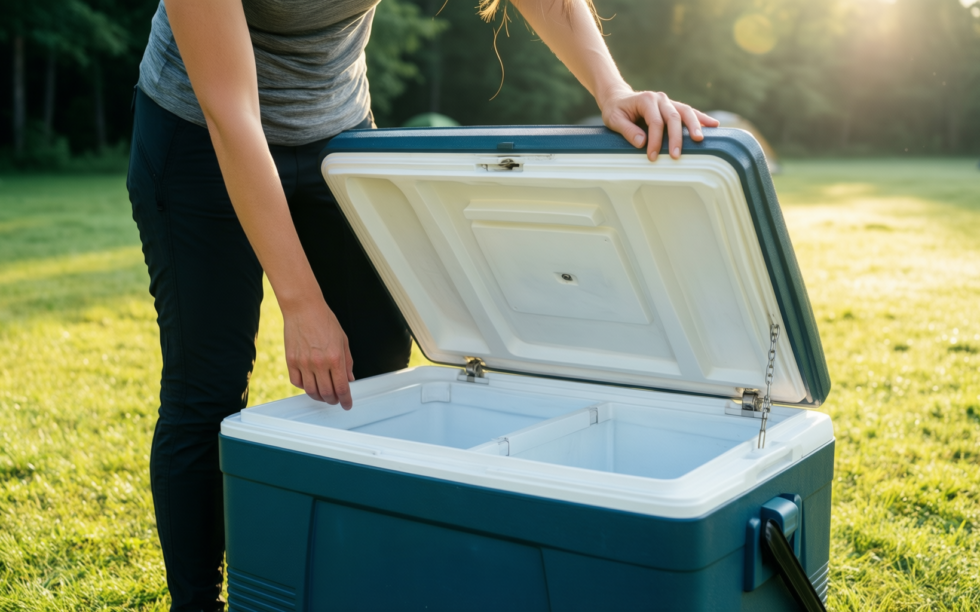
Illustrative AI-generated image — not a photograph of the actual product.
Vango E-pinnacle Electric Cool Box

#ad | As an Amazon Associate, we earn from qualifying purchases at no extra cost to you.

Disclosure: As an Amazon Associate, I earn from qualifying purchases.
The vango e-pinnacle electric cool box addresses the specific frustration of maintaining consistent temperatures for perishables during static camping or caravan stays where ice packs melt unpredictably. Its standout feature is dual-power compatibility, allowing seamless switching between a 12V vehicle socket and a 230V mains connection without changing adapters. However, the thermoelectric system has a hard limit, cooling only up to 16°C below the ambient temperature, which means it cannot freeze items or maintain sub-zero temperatures in extreme heat. This model is best for campers, caravanners, and festival-goers who have reliable access to electrical power sources and need organized, consistent cooling for drinks and snacks.
🛒 Check Price on Amazon →✓ See today's price & reviews
Keeping Food Cold During 12-Hour Caravan Layovers Without Ice Packs
Traditional ice-based cooling fails during long static stays because the ice melts, turning the interior into a wet, lukewarm environment that compromises food safety. The vango e-pinnacle electric cool box addresses this by using a thermoelectric system that actively removes heat from the interior, maintaining a stable temperature as long as power is supplied. This eliminates the need to repack ice every few hours, a tedious task that disrupts the relaxation of a weekend holiday.
The dual-voltage capability is particularly useful in this context. When arriving at a campsite with a 230V hook-up, you can plug the unit directly into the mains, ensuring maximum cooling efficiency. If you are parked in a location without mains power but have a vehicle nearby, the 12V adapter allows you to run the unit from the car battery. This flexibility means you are not locked into a single power source, which is a significant advantage over single-voltage competitors that force you to choose between car or home use.
The high-density polyurethane foam insulation plays a critical role in retaining the internal temperature once the unit is powered off. This insulation reduces warm-air intrusion, meaning that if you briefly unplug the device to move it or check contents, the cold air stays trapped inside longer than in poorly insulated models. For a caravan layover, this means you can manage the power usage without worrying about rapid temperature spikes that would spoil perishables.
Managing Power Sources at the Pitch
The included UK 230V plug and 12V in-car adapter are designed for immediate use without additional purchases. The 230V connection is the preferred method for extended stays because it provides a stable and continuous power supply. Unlike 12V systems that can fluctuate with vehicle battery health, mains power ensures the thermoelectric element operates at its optimal efficiency. This stability is crucial for keeping sensitive items like dairy or fresh produce at a safe temperature for days.
When using the 12V input, it is important to monitor the vehicle battery level, as continuous draw can deplete power over time. The integrated cable storage compartment helps keep the leads organized, preventing tangles that could cause accidental disconnections while moving the unit. This design detail is often overlooked in cheaper alternatives, where loose cables can become a hazard or a nuisance during travel.
Why This Fridge Fails for High-Altitude Hiking or Off-Grid Van Life
The vango e-pinnacle electric cool box is designed for comfort and convenience in powered environments, not for rugged, off-grid expeditions. Its reliance on an external power source makes it unsuitable for backpacking or lightweight van setups where weight and power autonomy are critical constraints. The unit’s construction prioritizes insulation and electrical integration over ruggedness, meaning it is not built to withstand the rough terrain and physical impacts of remote hiking.
The thermoelectric cooling mechanism requires a consistent power input to function. In an off-grid van life scenario without a large solar array or inverter, the 12V power draw can quickly deplete a standard auxiliary battery. This limitation means that if you are traveling in areas without reliable power access, this unit will become a dead weight rather than a useful tool. It is a comfort appliance, not a rugged expedition tool, and buyers should understand this distinction before purchasing.
The weight and bulk of the unit also present a challenge for users who prioritize lightweight gear. While the product description does not specify an exact weight, the inclusion of high-density foam insulation and electrical components adds significant mass compared to a simple plastic ice box. For hikers or cyclists who need to carry all their gear on their backs or in tight vehicle spaces, this unit is likely too heavy and bulky to be practical.
The Weight and Power Penalty
The high-density polyurethane foam insulation, while excellent for temperature retention, contributes to the overall mass of the device. This insulation is necessary to make the thermoelectric system efficient, but it also makes the unit heavier than a basic cooler. For users who need to lift and carry their cooling equipment frequently, this added weight can be a significant drawback.
The 12V power draw is another factor to consider for off-grid users. Thermoelectric coolers consume a notable amount of power, and without a robust power generation system, the unit will drain a car battery quickly. This makes it less suitable for extended off-grid trips where power conservation is essential. Users in this category should look for manual cool boxes or highly efficient compressor fridges with low power consumption instead.
Balancing 12V Battery Drain vs. 230V Mains Efficiency for Festival Weekends
Festival weekends present a unique challenge for cooling, as attendees often need to keep drinks cold for extended periods without access to home appliances. The vango e-pinnacle electric cool box offers a solution by allowing users to switch between power sources based on availability. At many festival sites, 230V power hook-ups are available, making the mains connection the ideal choice for consistent cooling.
When using the 12V input, the efficiency is lower compared to mains power, and the battery drain is more significant. This means that if you are relying on a car battery for 48 hours, you will need to manage the power usage carefully. The integrated cable storage helps keep the setup tidy, but the power management remains a critical factor. Users should plan their power usage accordingly, perhaps running the unit intermittently or using it primarily when the vehicle engine is running to recharge the battery.
Compared to manual cool boxes, the electric option offers superior temperature control but at the cost of power consumption. Manual boxes require no power but rely on ice, which melts and loses effectiveness over time. The electric unit provides a consistent temperature, which is ideal for keeping drinks refreshingly cold throughout the day. However, this consistency comes with the requirement of a power source, which is a trade-off that must be considered.
Optimizing Power Usage at Events
To maximize efficiency during a festival weekend, it is advisable to use the 230V connection whenever possible. This ensures that the thermoelectric system operates at its full capacity, maintaining the desired temperature with minimal effort. If mains power is not available, using the 12V input with a fully charged car battery is the next best option.
The CFC-free construction is a positive aspect for environmentally conscious users, as it reduces the environmental impact of the cooling process. This feature aligns with the growing demand for sustainable outdoor gear. However, the primary focus for festival users should be on power management and ensuring that the unit remains plugged in to maintain the cooling effect.
Cooling Performance in 30°C+ UK Heatwaves vs. Standard Summer Conditions
The vango e-pinnacle electric cool box is designed to cool contents up to 16°C below the ambient temperature. This specification is critical to understand, as it means the unit’s effectiveness is directly tied to the outside temperature. In a standard summer day with an ambient temperature of 20°C, the unit can cool the interior to approximately 4°C, which is sufficient for most perishables.
However, during a UK heatwave with ambient temperatures exceeding 30°C, the unit can only cool the interior to around 14°C. This is not cold enough to keep ice cream frozen or to maintain the safety of highly perishable foods that require sub-5°C temperatures. The thermoelectric system works harder in extreme heat, which can increase power consumption and reduce the overall efficiency of the unit.
The high-density polyurethane foam insulation helps mitigate this issue by reducing the amount of heat that enters the unit. This insulation is crucial in high-heat conditions, as it slows down the rate at which the internal temperature rises. However, it cannot overcome the fundamental limitation of the thermoelectric system’s cooling capacity. Users should be aware that this unit is best suited for moderate temperatures and should not be relied upon for extreme cooling needs.
Placement and Ventilation for Peak Heat
To maximize efficiency during peak summer heat, proper placement and ventilation are essential. The unit should be placed in a shaded area to reduce the ambient temperature it has to work against. Direct sunlight can significantly increase the internal temperature, forcing the thermoelectric system to work harder and consume more power.
Ventilation around the unit is also important, as the thermoelectric system generates heat that needs to be dissipated. Blocking the vents can cause the unit to overheat, reducing its cooling performance and potentially damaging the internal components. Ensuring that the unit is placed in a well-ventilated area will help maintain its efficiency and extend its lifespan.
Who Should Skip This
While the vango e-pinnacle is effective for powered static camping, it is not the right choice for every user. Buyers with a limited budget who only need 24-hour cooling for short day trips may find that a traditional ice cool box is a more practical and simpler option. These manual boxes do not require power, making them ideal for short outings where access to electricity is not a concern.
Users who do not have access to 12V or 230V power sources during their trips should also consider a manual cool box. Without a reliable power source, the electric unit will not function, rendering it useless. In such cases, a manual box with ice packs or dry ice is a more reliable option for keeping food and drinks cold.
Those who prioritize ultra-lightweight gear over consistent temperature control may also prefer a manual cool box. The weight and bulk of the electric unit can be a drawback for users who need to carry their gear over long distances or in tight spaces. A lightweight manual box is easier to transport and does not require any power management, making it a simpler option for casual users.
Specific Scenarios for Manual Coolers
For short day trips to the beach or a local park, a manual cool box is often sufficient. The ice will last long enough to keep drinks cold for the duration of the trip, and the simplicity of the setup is a plus. There is no need to worry about power sources or battery levels, making it a hassle-free option.
For users who are not concerned with maintaining precise temperatures, a manual cool box is a viable alternative. While it may not keep items as cold as an electric unit, it is effective for keeping drinks refreshingly cold for a few hours. The lack of moving parts and electrical components also means that there is less to go wrong, making it a more durable option for rough use.
Final Verdict
The vango e-pinnacle electric cool box is a solid choice for campers, caravanners, and festival-goers who have access to reliable power sources. Its dual-voltage capability and high-density insulation make it a versatile and efficient cooling solution for moderate temperatures. However, it is not suitable for off-grid expeditions or extreme heat conditions, and users should be aware of its limitations before purchasing. For those who need consistent cooling and have access to power, this unit offers a convenient and effective solution.
🛒 Check Price on Amazon →✓ See today's price & reviews