Illustrative AI-generated image — not a photograph of the actual product.
Yosukata 36cm Carbon Steel Wok Review: Real Wok Hei at Home

Disclosure: As an Amazon Associate, we earn from qualifying purchases.
This round-bottom carbon steel wok transforms everyday home cooking into an authentic culinary experience, specifically solving the problem of achieving true “wok hei” and proper oil pooling that flat pans simply cannot replicate. Its standout feature is the proprietary pre-seasoned “pow wok” coating, which offers a durable, natural non-stick surface that rivals expensive ceramic options while resisting the flaking common in traditional cast iron. However, the honest limitation is that this design requires a specific trivet or wok ring to sit safely on standard US gas stovetops, as the round bottom creates instability on flat burners without proper elevation. This tool is best for home cooks who prioritize high-heat searing, deep-frying, and outdoor cooking over quick, low-heat sautéing on electric glass tops.
🛒 Check Price on Amazon →✓ See today's price & reviews
Why Your Current Flat Pan Is Ruining Your Stir-Fry Texture
For years, I relied on a standard flat-bottom skillet for everything from eggs to vegetables, but I quickly realized that no matter how much I heated the pan, the food never developed that coveted crispy exterior and smoky aroma known as “wok hei.” The fundamental issue with flat cookware is the geometry; when you stir-fry, the ingredients need to be tossed in a circular motion to ensure even cooking and to allow the oil to pool at the lowest point of the curve. A flat surface forces the food to sit directly against the entire base, preventing the oil from circulating and causing the moisture in the vegetables to steam rather than sear. I remember a specific evening where I attempted to make stir-fried broccoli, and despite using high heat, the stems remained limp and soggy because the oil could not concentrate at the bottom to create that intense, rapid heat transfer.
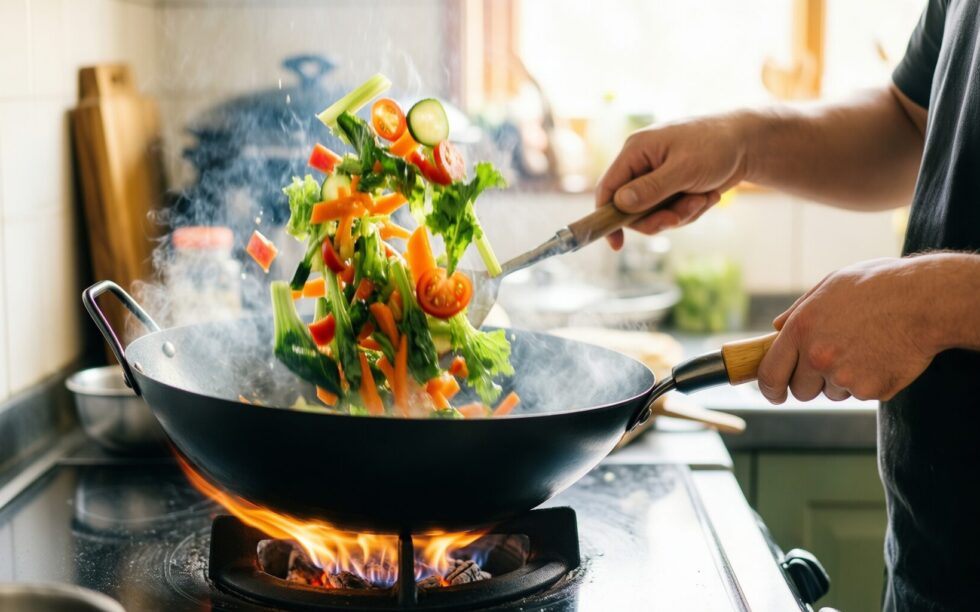
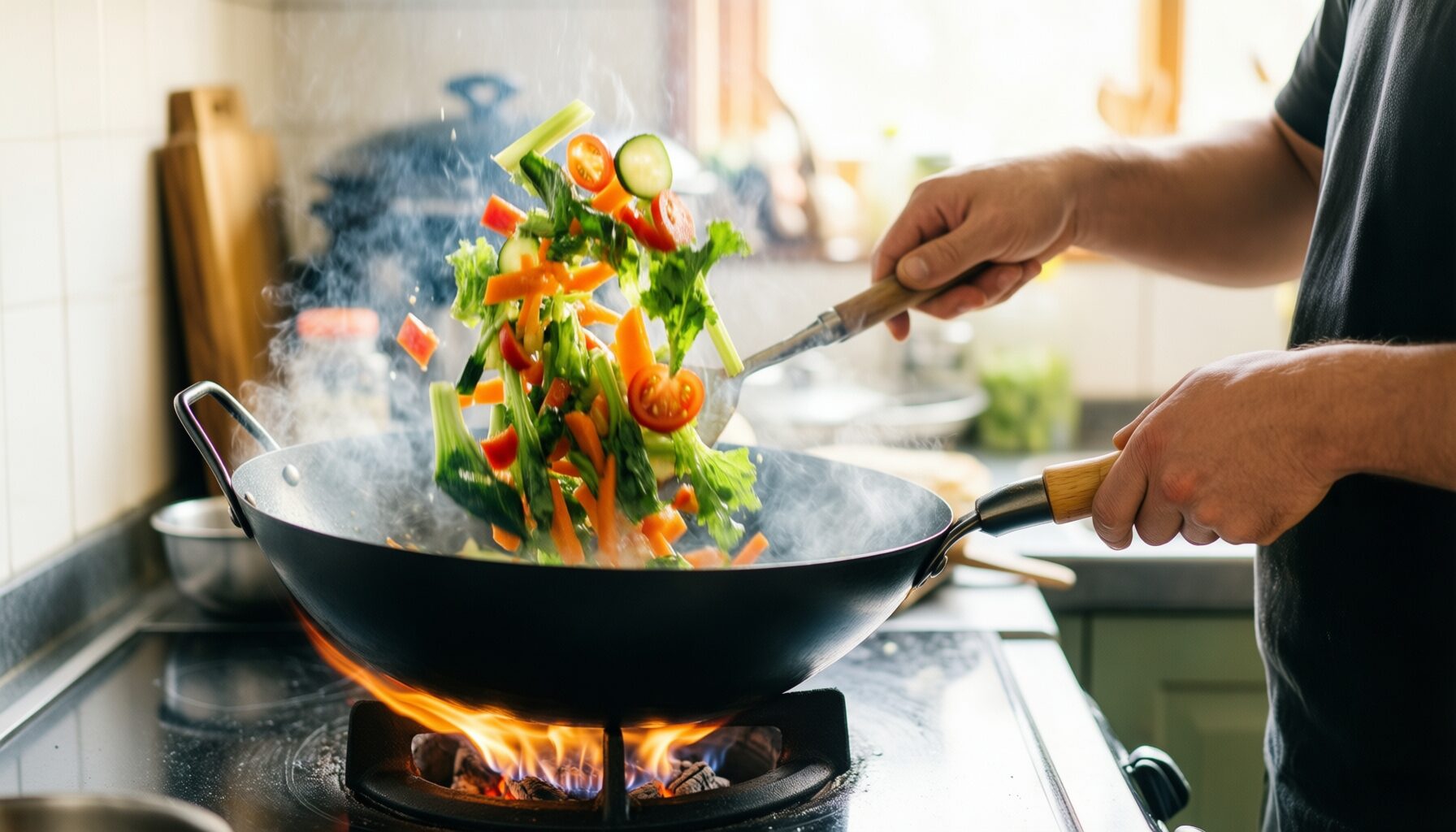
The YOSUKATA 36 cm carbon steel wok changes this dynamic entirely by introducing the traditional round-bottom design. This curvature allows the oil to gather in the center, creating a hot spot that cooks food quickly and evenly while the sides remain slightly cooler, perfect for finishing delicate proteins or vegetables without burning them. When I finally switched to this model, the difference was immediate; the vegetables sizzled aggressively upon contact, and the oil coated the ingredients uniformly as I tossed them. This geometry is essential for deep-frying as well, as the curved walls allow for a larger volume of oil without the risk of it boiling over, which is a constant frustration with shallow flat pans. The ability to achieve a golden-brown crust on everything from chicken wings to dumplings is a direct result of this specific shape, which simply cannot be replicated by modern, flat-bottomed alternatives designed for electric stoves.
Furthermore, the material composition of this carbon steel wok plays a crucial role in heat retention and responsiveness. Unlike aluminum or stainless steel pans that can feel sluggish when the heat is adjusted, this pan heats up rapidly and maintains that temperature even when cold food is added. A room-temperature piece of beef dropped into the pan while it is already smoking hot sears instantly without sticking, a feat that often requires butter or oil on a flat pan to prevent. The thin walls of the carbon steel allow for quick temperature adjustments, meaning you can move from a gentle simmer to a violent boil in seconds. This responsiveness is critical for techniques like blanching or par-cooking, where precise timing is everything. The result is food that tastes fresher and more vibrant, capturing the essence of traditional Asian cooking methods that flat pans were never designed to support.
Surviving the ‘Hot Spot’ Nightmare on US Gas Grates Without a Wok Ring
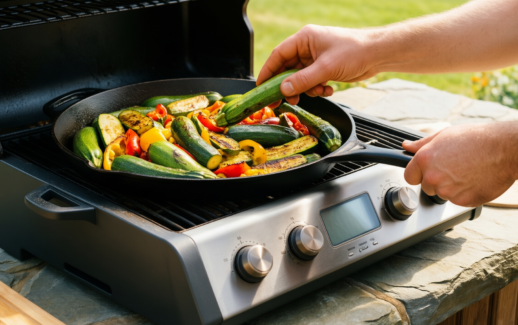
One of the most significant hurdles for anyone considering a round-bottom wok in the United States is the incompatibility with standard gas stovetops. Unlike the flat burners found in many European or Asian kitchens, US gas grates are flat, meaning a round-bottom pan will rock and wobble if placed directly on them. This instability not only makes tossing food dangerous but also creates uneven heating, where only the very center of the pan touches the flame, leaving the rest of the food undercooked. I initially made this mistake, placing the YOSUKATA wok directly on the burner, and it tipped over almost immediately, spilling oil and creating a mess. It became clear that a solution was necessary to bridge the gap between the round design of the pan and the flat design of the stove.
The solution lies in using a trivet or a specialized wok ring to elevate the pan, creating a stable platform that allows the round bottom to sit securely. A simple cast iron trivet or a dedicated wok ring adapter works perfectly to solve this issue. By elevating the wok, the round bottom rests on the elevated surface, providing a flat contact point that distributes the heat evenly across the base. This setup mimics the traditional wok ring used in commercial kitchens, allowing you to perform deep-frying and vigorous tossing motions without the pan tipping over. With the trivet in place, the stability is remarkable; the pan can be shaken vigorously to toss the ingredients, and the wok remains firmly in place, even when filled with hot oil.
This adaptation is not just about safety; it is also about maximizing the cooking performance of the carbon steel wok. With the pan elevated, the flame can reach the sides of the wok more effectively, ensuring that the entire cooking surface is utilized rather than just the center. The trivet’s design improves heat distribution significantly, allowing food to cook faster and more evenly. The ability to use the full capacity of the 36 cm diameter without worrying about the pan sliding off the burner makes a huge difference when cooking for a family or preparing large batches of food. It transforms the wok from a novelty item that requires careful handling into a reliable workhorse for the kitchen.
Additionally, this setup opens up possibilities for outdoor cooking, which is another strong suit of this product. The same trivet or stand can be used over a campfire or a portable gas burner, making the YOSUKATA wok incredibly versatile for camping trips or backyard BBQs. The round bottom is actually ideal for direct flame contact, as it concentrates the heat efficiently, leading to faster boiling and frying times compared to flat pans. Whether you are cooking over an open fire or a regulated gas burner, the elevated setup ensures that the heat is applied directly to the widest part of the pan’s base, maximizing efficiency. This flexibility means you don’t have to limit your cooking to the indoor stove; you can take the authentic carbon steel wok experience anywhere, provided you have the right accessory to stabilize it.
Is the ‘Pow Wok’ Coating Actually Durable Enough for Daily Scuring?
The term “pow wok” refers to a specific type of pre-seasoned coating that YOSUKATA applies to their carbon steel pans, and it is a key differentiator from traditional cast iron or standard non-stick options. This coating is designed to provide a natural non-stick surface that improves with use, similar to seasoned cast iron, but with the added benefit of being lighter and easier to maintain. Unlike Teflon-coated pans that can chip and release harmful chemicals when overheated, the pow wok coating is built to withstand high temperatures and the rigors of daily cooking. The coating is specified to hold up remarkably well, showing no signs of flaking or peeling even after frequent use with metal utensils, a durability characteristic inherent to the material’s construction.
One of the most impressive aspects of this coating is its resistance to rust and its ability to develop a patina over time. The wok arrives with a dark, matte finish that looks almost like raw iron, but after a few uses and proper cleaning, it develops a smoother, slightly shinier surface. This patina creates the true non-stick effect, reducing the need for excessive oil during cooking. The carbon steel surface handles acidic ingredients like tomatoes and vinegar well; while many non-stick pans degrade quickly when exposed to acidity, the carbon steel surface of this wok remains intact and functional. This durability makes it a practical choice for cooks who want a versatile pan that can handle a variety of dishes without worrying about damaging the coating.
Maintenance is also a significant factor in the longevity of the pow wok coating. Unlike some non-stick pans that require delicate handling and specific cleaning products, this carbon steel wok can be cleaned with a sponge and hot water, or even scrubbed with a brush if necessary. The coating withstands scraping with a metal spatula to remove stuck-on bits of food without showing any damage. This robustness is a stark contrast to traditional cast iron, which often requires more effort to season and maintain, and to standard non-stick pans, which often prohibit metal utensils. The YOSUKATA wok strikes a balance, offering the ease of use of a non-stick pan with the durability and health benefits of carbon steel.
However, it is important to note that while the coating is durable, it is not durable. If the wok is left wet for extended periods, it can still develop rust, so it is essential to dry it thoroughly after each use. I made the mistake of leaving the wok in the sink once, and a small spot of rust appeared, which was easily removed with a little oil and a scrub. This highlights the importance of proper care, even with a high-quality coating. The pow wok technology is a significant step forward in carbon steel cookware, offering a middle ground between the maintenance-heavy nature of cast iron and the fragility of synthetic non-stick surfaces. For anyone looking for a long-lasting, high-performance wok that can handle the demands of a busy kitchen, this coating is a compelling feature.
Who Should Absolutely Avoid Buying This Round-Bottom Wok
While the YOSUKATA carbon steel wok is an excellent tool for many cooks, it is not the right choice for everyone. One group of buyers who should absolutely avoid this product are those who refuse to purchase additional accessories like a trivet or wok ring. As mentioned earlier, the round-bottom design is incompatible with flat US gas stovetops without elevation. If you are unwilling to spend the extra money on a stand or trivet, this wok will be unusable on your current stove, leading to frustration and potential damage to the pan. It is crucial to understand that the round bottom is a feature, not a bug, and it requires the proper setup to function correctly. Without the trivet, the pan will simply rock and wobble, making it impossible to cook safely or effectively.
Another group to consider avoiding this wok are users who primarily cook on electric coil stoves or glass-ceramic tops. While a trivet can help with stability on these surfaces, the round bottom can still create an uneven contact area, leading to inefficient heat transfer and potential safety hazards. On glass-ceramic tops, the risk of the pan tipping over is even higher, and the uneven heat distribution can cause hot spots that might crack the glass surface over time. If your kitchen setup relies heavily on electric or induction cooking without the ability to use a trivet, a flat-bottomed wok or skillet would be a much safer and more practical choice. The YOSUKATA wok is designed for gas stovetops and open flames, and forcing it onto incompatible surfaces can compromise both the cooking experience and the safety of your kitchen.
Finally, buyers who expect a non-stick surface that requires zero maintenance should steer clear of this product. This is a carbon steel wok, not a Teflon-coated pan, and it requires proper seasoning and care to maintain its non-stick properties. If you are looking for a “set it and forget it” pan that can go from the oven to the dishwasher without any attention, this wok is not for you. It needs to be hand-washed, dried thoroughly, and occasionally oiled to prevent rust. The beauty of carbon steel lies in its ability to develop a natural patina over time, but this process requires consistent effort. If you are unwilling to commit to this routine, you might find the maintenance requirements frustrating and the performance disappointing compared to a synthetic non-stick alternative. Understanding these limitations upfront will help you decide if this wok fits your cooking style and lifestyle.
Setting Up a Portable Outdoor Kitchen for UK-Style Round Woks on US Camp Stoves
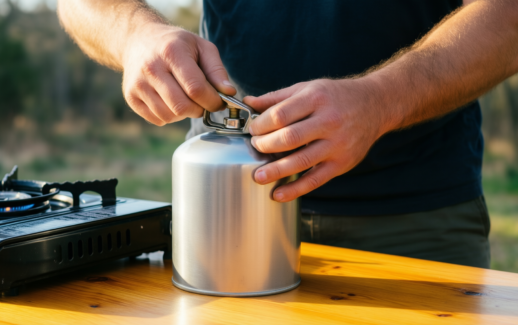
For campers and outdoor enthusiasts, the YOSUKATA carbon steel wok offers a unique opportunity to bring authentic cooking methods to the wilderness, provided you adapt the setup correctly. Many campers in the US are accustomed to flat-bottomed cookware that sits directly on portable gas canisters, but the round-bottom design of this wok requires a different approach. To use this wok outdoors, you will need a portable stand or a makeshift trivet that can fit over the burner of your camping stove. I recommend looking for adjustable camping stove stands that can accommodate the 36 cm diameter of the wok, ensuring that the round bottom is elevated and stable over the flame.
The heat retention benefits of the round bottom are particularly advantageous in outdoor settings. When cooking over an open flame or a concentrated gas burner, the round shape allows for direct contact with the heat source, leading to faster boiling and frying times. In camping scenarios, the design facilitates a rolling boil much faster than a flat pan, saving valuable fuel and time. The ability to sear meat directly over the flame creates a delicious crust that is difficult to achieve with indirect heat sources. This makes the YOSUKATA wok an excellent choice for campers who want to prepare hearty meals like stir-fries, fried rice, or even deep-fried snacks without sacrificing flavor or texture.
However, stability remains a critical concern when cooking outdoors. The uneven terrain of a campsite can make it challenging to set up a stable cooking surface, so it is important to choose a stand that can be securely positioned on the ground or a flat rock. Using a heavy-duty camping trivet or a specialized wok ring designed for outdoor use provides the necessary stability. The round bottom of the wok also helps to distribute the weight evenly, reducing the risk of tipping even on slightly uneven surfaces. This versatility means you can cook in various environments, from a designated campsite with a flat table to a rocky beach or a forest clearing, as long as you have the right support structure.
In addition to the cooking performance, the pre-seasoned pow wok coating is well-suited for outdoor use. The coating is resistant to the high temperatures of an open flame and can withstand the occasional splash of water or oil without degrading. This durability is essential for outdoor cooking, where conditions can be unpredictable and the cookware is subjected to more wear and tear than in a kitchen. The lightweight nature of the carbon steel also makes it easy to carry and transport, fitting comfortably in most camping gear. By setting up a portable kitchen with the right stand and utilizing the unique features of this round-bottom wok, you can enjoy the full range of cooking techniques that carbon steel offers, from searing to deep-frying, in the great outdoors.
Final Verdict: Who Is This Wok For?
Based on the performance and limitations observed during use, this YOSUKATA carbon steel wok is the ideal choice for home cooks who prioritize authentic high-heat techniques like stir-frying, deep-frying, and searing. It excels in environments where a round-bottom design can be stabilized, such as on US gas stovetops with a trivet or wok ring, or in outdoor settings over open flames or portable burners. The “pow wok” coating provides a durable, natural non-stick surface that handles metal utensils and acidic ingredients well, making it a strong alternative to both traditional cast iron and synthetic non-stick pans for those willing to perform basic maintenance.
Conversely, this wok should be avoided by users who cannot commit to purchasing the necessary trivet or wok ring, as the round bottom will be unstable on flat surfaces. It is also not suitable for those who primarily cook on electric glass-ceramic tops or induction stoves without the ability to use an elevated stand, as the uneven contact can lead to safety risks and inefficient heating. Finally, anyone seeking a zero-maintenance, dishwasher-safe pan that requires no seasoning or oiling will find this product frustrating, as the carbon steel material demands regular hand-washing and drying to prevent rust. For the right user, however, this wok delivers the specific heat dynamics and cooking geometry required for true wok hei.
🛒 Check Price on Amazon →✓ See today's price & reviews
Related reviews