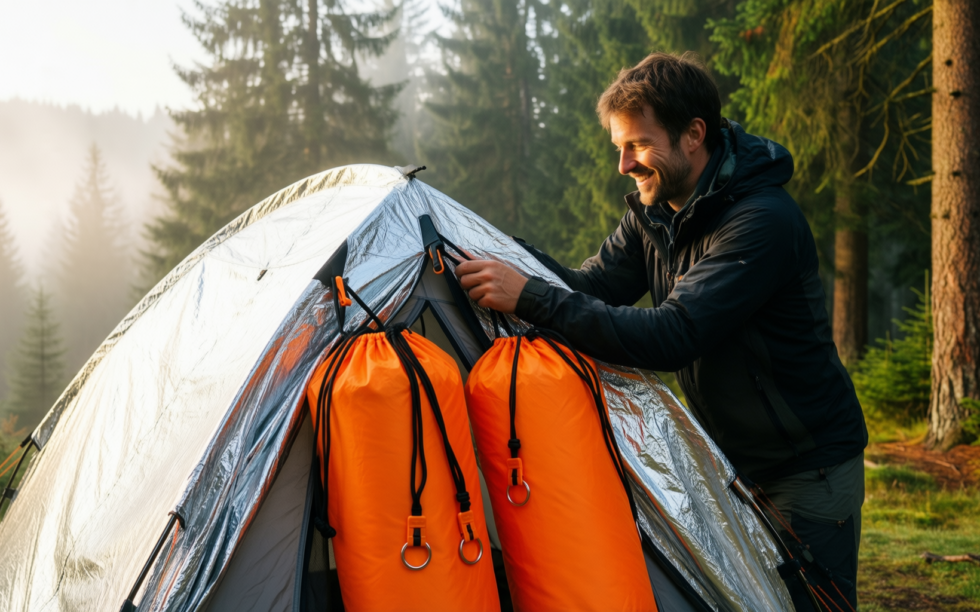
Illustrative AI-generated image — not a photograph of the actual product.
Emergency Survival Tent

#ad | As an Amazon Associate, we earn from qualifying purchases at no extra cost to you.
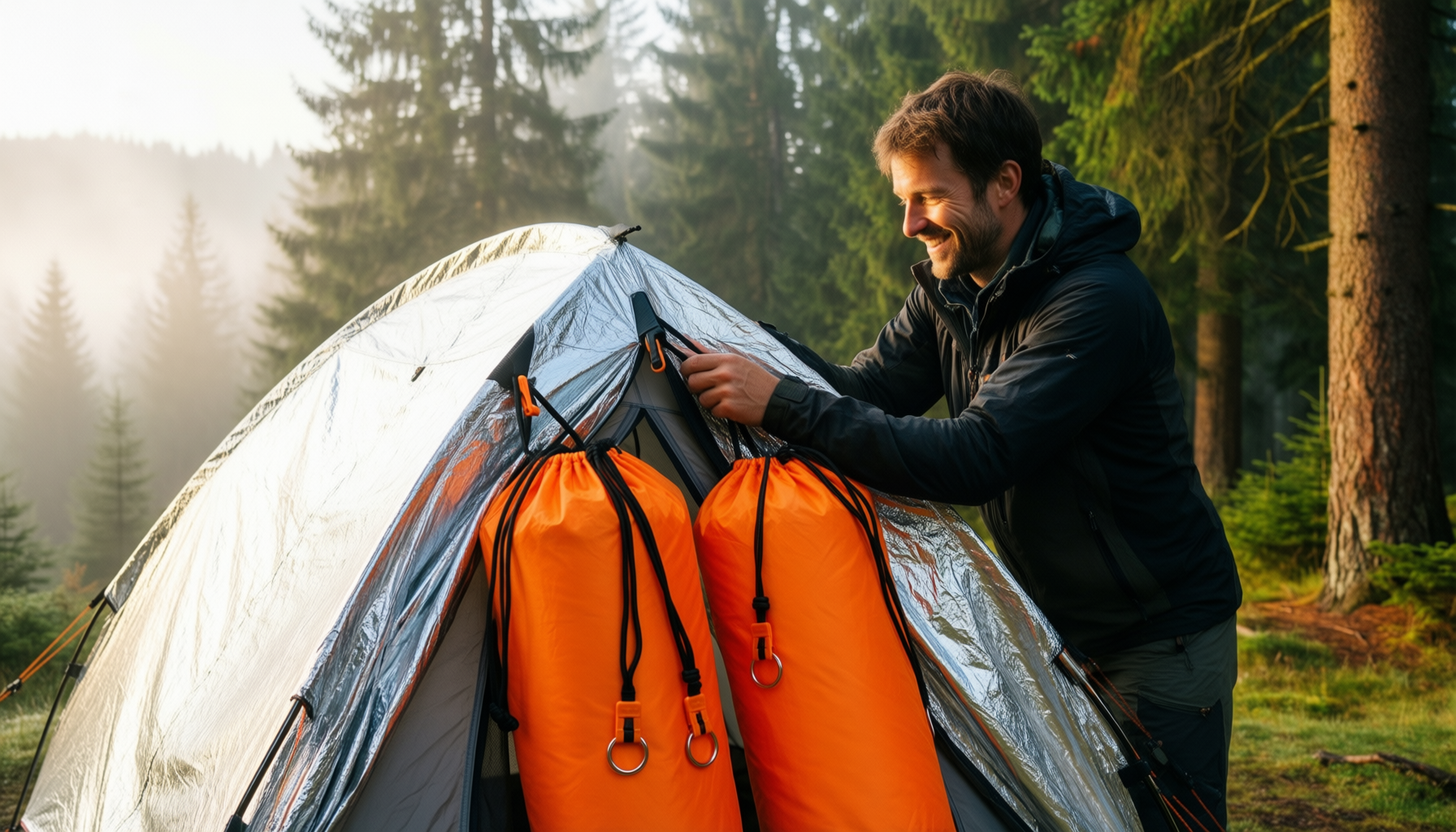
This 2-person Mylar shelter addresses the critical issue of rapid heat loss during unexpected overnight stops in the UK’s unpredictable climate. Its standout feature is the integrated emergency whistle and paracord, which eliminates the need to carry separate survival accessories. However, the reflective material offers no insulation against wind chill, meaning it is strictly a heat-retention tool rather than a weatherproof barrier. It is best for hikers who need a lightweight backup shelter for emergency situations, not for primary camping.
The primary friction point for this shelter during day hikes in the Scottish Highlands is not rain, but wind. While the Mylar material itself is waterproof, the tube design relies entirely on tension and ground stakes to stay upright. In sustained winds exceeding 20mph, the shelter tends to flap violently unless pitched with extreme precision. This flapping can be disorienting and may cause the material to abrade against sharp rocks if not properly secured.
🛒 Check Price on Amazon →✓ See today's price & reviews
The key to success in these conditions is the pitch technique. The shelter must be angled so that the wind hits the flat, reflective surface at a low angle rather than directly into the open end. This configuration reduces the wind load significantly. Using the included paracord to create a secondary guy line from the top corner to a sturdy tree or rock anchor provides the necessary stability. Without this extra anchor point, the shelter collapses under the pressure of a gust. This is a crucial detail that the product description does not explicitly highlight, but it is essential for UK weather.
Staying Dry in Scottish Highlands: Wind and Rain Resilience
Unlike typical fabric tents that have a full frame to resist wind, this emergency survival tent relies on its lightweight nature and user setup. The Mylar material is thin and tears easily if caught on a thorn or sharp stone. Therefore, you must clear the ground of debris before pitching. The seam sealing is adequate for drizzle, but in a sustained downpour, water can pool on the surface if the pitch is not steep enough. For prolonged exposure to heavy rain, a standard rain jacket and a tarp might be more effective, but for a quick, temporary shelter to stop hypothermia, this model performs well.
Pitching on Uneven Terrain
One of the most challenging aspects of using this shelter in the Highlands is the uneven, wet terrain. The ground is often soft, muddy, or covered in loose stones. The stakes provided are short and can struggle to hold in soft soil. I recommend using natural anchors like large rocks or tree roots wherever possible. The paracord included is strong enough to tie around a tree trunk, which is a significant advantage over models that only come with short cords. This flexibility allows you to adapt the shelter to the specific topography of your location.
Wind Resistance and Stability
The wind resistance of this shelter is its most significant limitation. It is not designed to withstand hurricane-force winds. If you are in an exposed location with no natural windbreak, this shelter is not suitable. You must find a spot behind a rock formation or a dense thicket. The reflective surface can also become very hot in direct sunlight, which is a benefit in winter but a drawback in summer. However, for the primary purpose of emergency survival, the ability to reflect body heat back at you is far more important than wind resistance.
Why Heavy-Duty 4-Season Tents Are Overkill for Day Hikes
Many hikers assume that a heavy-duty 4-season tent is the best choice for survival. This is a common misconception. A 4-season tent is designed for primary camping, where sleepers will be sleeping for multiple nights. It is heavy, bulky, and expensive. For a day hike, carrying a full-frame tent is an unnecessary burden. The weight penalty is significant, and it takes up valuable space in a pack. This emergency survival tent, by contrast, weighs almost nothing and packs down to the size of a small water bottle.
The weight difference is the primary reason to choose this model. A typical 2-person 4-season tent can weigh over 3kg. This Mylar shelter weighs a fraction of that. For a day hiker who is not planning to camp overnight, the extra weight of a full tent is not justified. A lightweight emergency shelter that can be deployed in minutes is the appropriate choice if you get stranded. The 4-season tent is for base camp; this is for the trail.
However, the specification defines a clear boundary where this product is not suitable. If the plan involves a multi-day trek requiring nightly sleep, a proper tent is the necessary equipment. This shelter functions as a backup rather than a substitute for a primary sleeping system. The design intent is to keep a person alive for a few hours or a night in an emergency, not to provide a comfortable sleeping environment for a week. Understanding this distinction is crucial for making the right purchase.
Weight and Packability
The packability of this shelter is its greatest strength. It folds down to a very small size, making it easy to stash in a side pocket of your backpack. You will forget it is there until you need it. This is in stark contrast to a 4-season tent, which requires a dedicated compartment and takes up a significant amount of space. For hikers who are already carrying a lot of gear, the weight and size savings are substantial.
When to Skip This Shelter
You should skip this shelter if you are planning to camp for more than one night. It is not designed for long-term use. The Mylar material can degrade if exposed to UV light for extended periods. It is also not comfortable for sleeping, as it is a tube shape that does not allow for much movement. If you are a side sleeper or have a large frame, you may find it cramped. It is a survival tool, not a comfort item.
Integrating Whistles and Paracord into Your Shelter Setup
One of the most overlooked features of this product is the integrated emergency whistle and paracord. Most emergency shelters are just a piece of plastic. This model includes a whistle that is attached to the shelter, ensuring you do not lose it. The whistle is loud and can be heard over the sound of wind and rain. This is a critical feature for signaling rescuers. The paracord is also included, which is useful for securing the shelter to anchors.
The integration of these features is a smart design choice. It ensures that you have the essential survival tools with you at all times. You do not need to carry a separate whistle or cord. This reduces the overall weight and complexity of your survival kit. The whistle is made of a durable plastic that will not break easily. The paracord is strong enough to hold the shelter in place in high winds.
Using the paracord for guy lines is a key technique. You can tie the paracord to the corners of the shelter and then to a tree or rock. This creates a stable structure that can withstand moderate winds. The whistle can be used to signal for help if you are injured or lost. It is a simple but effective tool that can save your life. The integration of these features makes this shelter more versatile than many other options on the market.
Using Paracord for Guy Lines
The paracord included with this shelter is approximately 10 meters long. This is enough to create multiple guy lines. You can use it to secure the top of the shelter to a tree, or to create a secondary anchor point on the ground. The cord is strong and durable, and it will not rot or break easily. It is a valuable addition to any survival kit.
Positioning the Whistle
The whistle is attached to the shelter with a small cord. This ensures that it is always with you when you are using the shelter. You can hang it around your neck or attach it to your pack. The whistle is loud and can be heard from a distance. It is a critical tool for signaling rescuers. Make sure to test the whistle before you need it, to ensure that it is working properly.
Choosing Between Mylar Tubes and Fabric Pouches for UK Conditions
The choice between a Mylar tube and a fabric pouch is a critical one for UK conditions. Mylar is a reflective material that reflects body heat back at you. This is essential for preventing hypothermia in cold, damp conditions. Fabric pouches, on the other hand, provide insulation but do not reflect heat. In the UK’s damp climate, Mylar is often the better choice because it keeps you dry and warm.
The durability of Mylar is a concern because the material is thin and can tear easily. However, it is also very lightweight and packable. Fabric pouches are more durable but heavier and bulkier. For a day hiker, the weight and size savings of Mylar are worth the trade-off in durability. Small tears can be repaired with tape, but a large tear will render the shelter useless.
The thermal retention of Mylar is superior to fabric in cold conditions. It reflects 90% of body heat back at you, which is crucial for survival. Fabric pouches rely on trapped air for insulation, which is less effective in wet conditions. The Mylar material is also waterproof, which is a significant advantage in the UK’s rainy climate.
Thermal Retention in Damp Climates
The thermal retention of this shelter is its primary function. It is designed to keep you warm in cold, damp conditions. The Mylar material reflects body heat back at you, creating a warm microclimate inside the shelter. This is essential for preventing hypothermia. In the UK’s damp climate, staying dry is just as important as staying warm. The Mylar material is waterproof, which helps to keep you dry.
Durability Against Thorns and Rocks
The durability of Mylar is its main weakness. It is thin and can tear easily if caught on a thorn or sharp rock. You must be careful when pitching the shelter to avoid damaging the material. If the material is torn, it will no longer be effective. You can repair small tears with tape, but a large tear will render the shelter useless. This is a significant limitation for use in rough terrain.
Who Should Skip This
This emergency survival tent is not for everyone. If you are a primary camper who plans to sleep in a tent every night, this is not the right product for you. It is a backup shelter, not a primary one. It is not comfortable for sleeping, and it is not durable enough for long-term use. If you are planning a multi-day trek, you need a proper tent.
You should also skip this shelter if you are in a region with extreme winds. This shelter is not designed to withstand hurricane-force winds. If you are in an exposed location with no natural windbreak, this shelter is not suitable. You need a more robust shelter that can withstand high winds.
Finally, if you are looking for a comfortable sleeping environment, this is not the right product. It is a survival tool, not a comfort item. It is designed to keep you alive in an emergency, not to provide a comfortable sleeping experience. If you are looking for a primary camping shelter, look elsewhere.
Final Verdict
This emergency survival tent is a reliable, lightweight backup for UK hikers facing sudden weather changes. Its integrated whistle and paracord add practical value, while the Mylar construction effectively reflects body heat to prevent hypothermia. However, its thin material requires careful pitching to avoid tears, and it offers no wind protection without proper anchoring. It is best for day hikers who need a compact, emergency-only shelter rather than a primary camping system.
🛒 Check Price on Amazon →✓ See today's price & reviews