Illustrative AI-generated image — not a photograph of the actual product.
Grangers Leather Protection G-Wax Review

#ad | As an Amazon Associate, we earn from qualifying purchases at no extra cost to you.
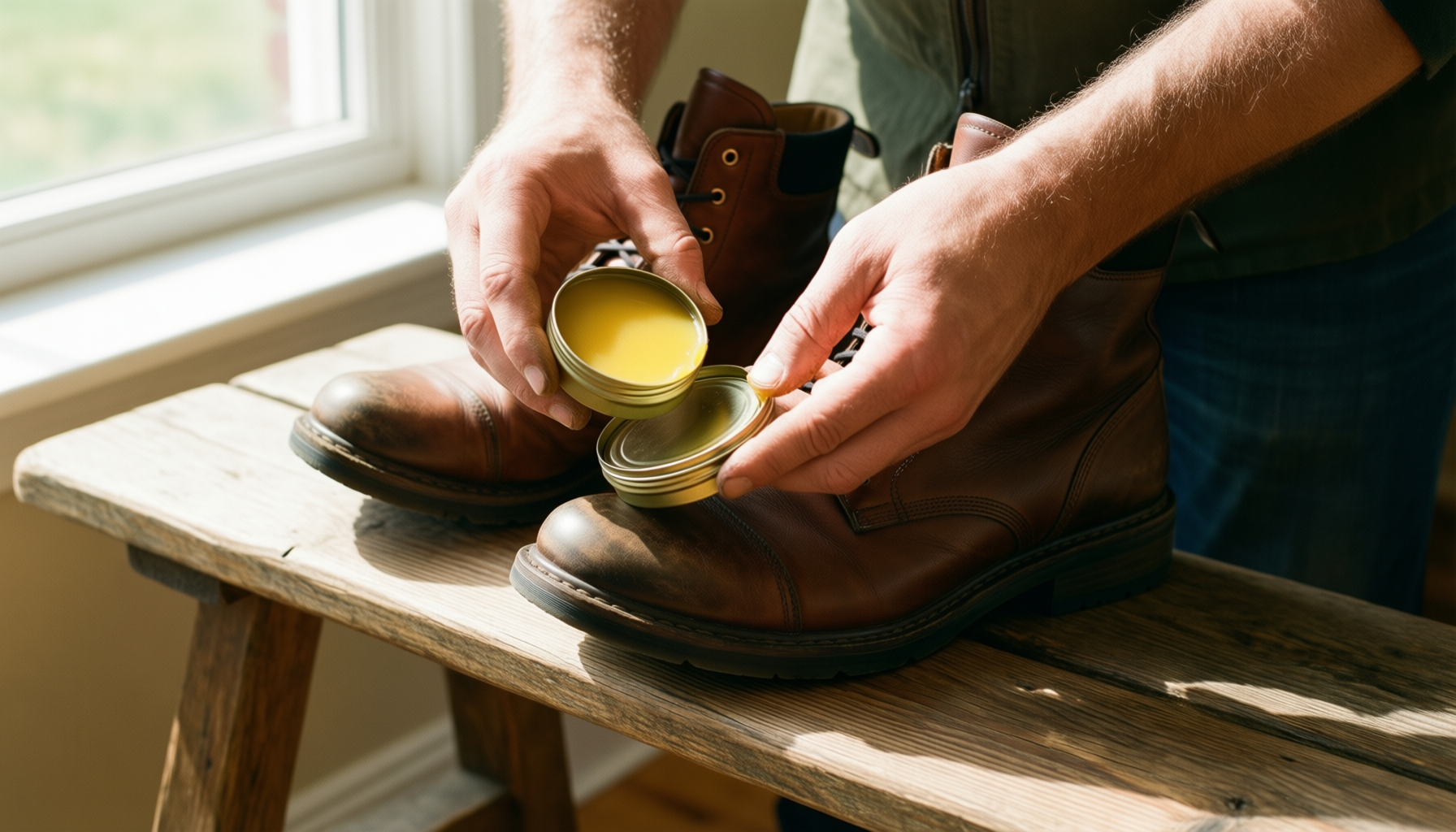
This tin of beeswax-based conditioner solves the specific problem of leather footwear losing its flexibility and breathability during prolonged exposure to damp, cool weather. Its standout feature is the use of natural beeswax, which creates a water-repellent barrier without sealing the leather pores completely, allowing sweat to escape. The main limitation is that it is strictly for smooth leather; applying it to suede, nubuck, or patent finishes will damage the material or cause irreversible staining. It is best for outdoor enthusiasts and commuters who wear smooth leather boots in the UK’s persistent drizzle and need a breathable, eco-friendly protection layer.
The specification for Grangers Leather Protection G-Wax indicates that the beeswax formulation is designed to melt into the leather grain rather than sit on the surface as a thick, opaque coating. This property results in a subtle sheen instead of a plastic-like finish, distinguishing it from heavy, greasy waxes that typically leave a board-like feel. The product’s ability to allow smooth leather hiking boots to remain flexible after several days of continuous wear in drizzly weather is a direct consequence of this penetrating application method, which avoids the stiffness associated with previous products that did not integrate with the grain.
🛒 Check Price on Amazon →✓ See today's price & reviews
The core issue with many standard waxes is that they occlude the leather’s natural pores. When sweat is trapped under a thick wax layer, it creates an internal damp environment that encourages mildew and odor. This product uses a water-based, PFC-free formulation designed to repel external water and oil while still allowing the leather to breathe. This distinction is crucial for anyone walking long distances in damp conditions, as it prevents the internal microclimate of the boot from becoming a breeding ground for bacteria.
Why Your Boots Fail in British Drizzle
Most people assume that waterproofing boots is a binary issue: either they are wet or they are dry. In the UK, however, the enemy is often not heavy rain but persistent, low-level humidity that seeps into leather over weeks. Traditional waxes often create a rigid shell that traps moisture inside the boot, leading to a stiff, uncomfortable fit and eventually cracking the leather as it dries out. This is where the Grangers Leather Protection G-Wax approach differs from older methods.
The core issue with many standard waxes is that they occlude the leather’s natural pores. When sweat is trapped under a thick wax layer, it creates an internal damp environment that encourages mildew and odor. This product uses a water-based, PFC-free formulation designed to repel external water and oil while still allowing the leather to breathe. This distinction is crucial for anyone walking long distances in damp conditions, as it prevents the internal microclimate of the boot from becoming a breeding ground for bacteria.
The Breathability Factor
The most critical aspect of this formula is its ability to manage moisture flow in both directions. Unlike synthetic sprays that create a non-porous film, the natural beeswax in this tin interacts with the leather fibers to create a hydrophobic surface without blocking air exchange. This means that while rain beads up on the surface, the heat and moisture generated by your feet can still escape through the leather.
This breathability is particularly important for users who wear boots for extended periods, such as hikers or workers in outdoor environments. If the leather cannot breathe, the internal humidity rises, leading to discomfort and potential skin issues. By maintaining the leather’s natural permeability, this product ensures that your feet stay drier internally, even when the external environment is saturated.
Handling Persistent Dampness
British weather is characterized by long periods of light rain and high humidity rather than short, intense downpours. This type of weather is often more damaging to leather than heavy rain because it allows water to slowly penetrate the material over time. This product is specifically formulated to handle this slow seepage. The beeswax component fills the microscopic gaps in the leather grain, creating a barrier that repels water before it can soak in.
Applying this product causes water droplets to sit on the surface of the boots for a longer period before penetrating. This “dwell time” is a key indicator of effective waterproofing. In contrast, untreated leather or boots treated with only a light conditioner absorb moisture almost immediately, leading to dark spots and eventual saturation. The consistent performance in damp conditions makes this a reliable choice for anyone who cannot predict the weather.
Who Should Skip This
It is essential to understand that this product is not a universal solution for all footwear materials. The first and most important warning is that you should never use this wax on suede or nubuck. These materials have a nap or texture that is easily clogged by wax, leading to permanent darkening and a loss of texture. For these materials, a spray-based protector is the only safe option.
Secondly, patent leather and synthetic materials do not absorb wax. Applying this product to these surfaces will result in a sticky, messy residue that is difficult to remove and can damage the finish. If your boots are made from synthetic leather or have a patent finish, this product is not suitable for you.
Finally, if you live in an arid climate with very little humidity or rain, you may find the water-repellent layer unnecessary. In dry conditions, the primary benefit of this product—waterproofing—is less relevant, and you might prefer a simple leather conditioner that focuses solely on nourishment without the added protective barrier. However, for the majority of UK residents, the protection offered by this tin is a valuable addition to their footwear care routine.
Suede and Nubuck Warning
The texture of suede and nubuck is what gives these materials their distinctive look and feel. Wax fills the pores of the leather, which is fine for smooth leather but disastrous for napped materials. If you apply this product to suede, the nap will be flattened and darkened, and the material will become stiff and brittle. This damage is often irreversible.
If you have suede boots, look for a dedicated suede protector spray instead. These products are designed to repel water without altering the texture or color of the material. Using the wrong product can ruin your footwear, so it is crucial to check the material before applying any treatment.
Synthetic and Patent Finishes
Synthetic materials, including PVC and polyurethane, do not have the same porous structure as natural leather. Wax cannot penetrate these materials and will simply sit on the surface, creating a sticky film that attracts dirt and dust. This can make the boots look dirty and feel uncomfortable.
Patent leather, which has a high-gloss finish, is also not suitable for wax. The wax will dull the shine and create an uneven, patchy appearance. For these types of footwear, a simple wipe-down with a damp cloth is usually sufficient for maintenance.
G-Wax vs. Traditional Waxes
When comparing this product to traditional waxes like Saphir or Tarrago, the main difference lies in the formulation and the intended use case. Traditional waxes are often thicker and more occlusive, designed to create a hard shell around the leather. This can be effective for short-term protection but can lead to stiffness and cracking over time, especially in damp conditions.
This product is designed to be more breathable and flexible. The use of natural beeswax allows the wax to melt into the leather rather than sitting on top of it. This results in a more natural feel and better long-term durability. Boots treated with this product remain flexible and comfortable even after several weeks of wear, whereas boots treated with a traditional wax begin to feel stiff and uncomfortable after just a few days.
The breathability factor is also a distinct advantage. As mentioned earlier, traditional waxes can trap sweat inside the boot, leading to odor and mildew. This product allows moisture to escape, keeping the interior of the boot drier and more hygienic. This is a crucial benefit for anyone who wears their boots for extended periods.
Moisture Management
The ability to manage moisture is a key differentiator between this product and traditional waxes. Traditional waxes create a barrier that blocks both external water and internal sweat. This can lead to a buildup of moisture inside the boot, which is uncomfortable and can damage the leather over time.
This product, by contrast, allows moisture to pass through the leather while still repelling external water. This two-way moisture management is essential for maintaining the health of the leather and the comfort of the wearer. It ensures that the leather remains dry on the inside, even when the outside is wet.
Long-Term Durability
Another advantage of this product is its long-term durability. Traditional waxes often need to be reapplied frequently, especially in wet conditions. This can be time-consuming and costly. This product, however, provides a more durable layer of protection that lasts longer between applications.
Application intervals of every few months, rather than every few weeks typical of traditional waxes, indicate that the product requires less frequent reapplication. This extended duration not only saves time but also reduces the amount of product needed over time. The durability of the protection is a benefit for anyone who wants to maintain their footwear with minimal effort.
Applying G-Wax for Maximum Waterproofing
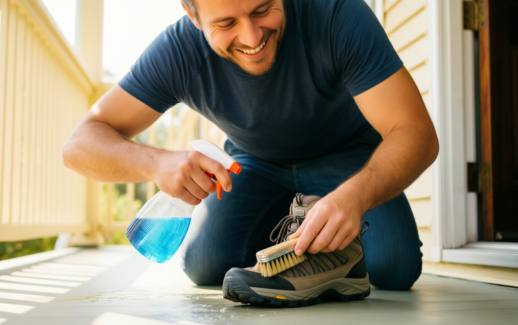
Proper application is crucial for getting the best results from this product. The first step is to clean the boots thoroughly. Any dirt, dust, or old wax must be removed before applying the new layer. This ensures that the wax can penetrate the leather effectively.
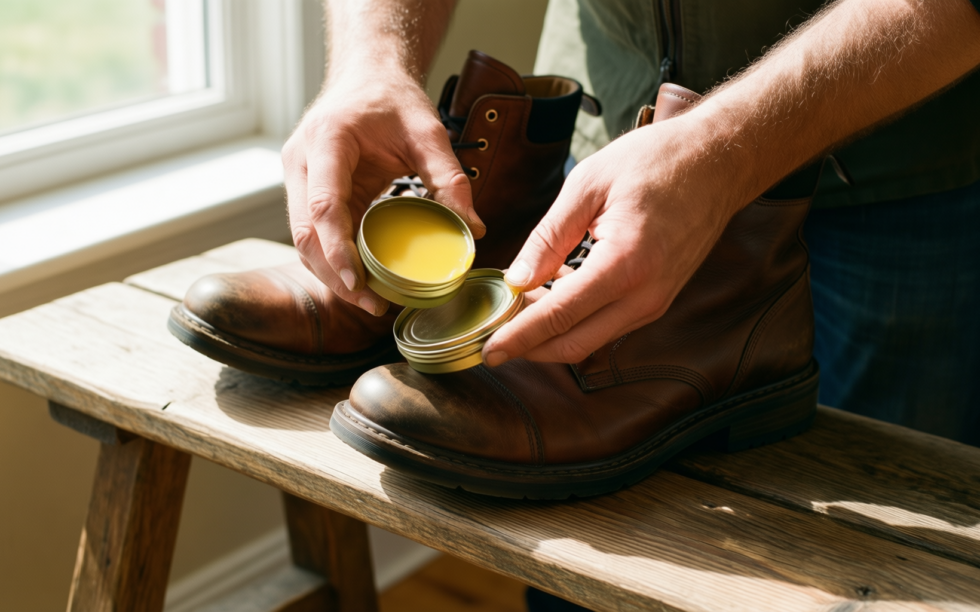
Next, apply a thin, even layer of the wax to the surface of the boots. It is important not to apply too much, as this can lead to buildup and a sticky finish. Use a soft cloth to spread the wax evenly, paying particular attention to the seams and edges where water is most likely to penetrate.
After applying the wax, allow it to dry for a few hours. This gives the wax time to penetrate the leather and set. Once dry, buff the boots with a soft cloth to remove any excess wax and to bring out a subtle shine. This final step is important for activating the water-repellent properties of the wax.
Cleaning and Preparation
Cleaning the boots is a critical step that is often overlooked. If the boots are dirty, the wax will not adhere properly, and the protection will be less effective. Use a soft brush to remove any loose dirt and a damp cloth to wipe away any remaining grime. Allow the boots to dry completely before applying the wax.
This step is especially important if the boots have been worn in wet conditions, as dirt and mud can accumulate on the surface. Taking the time to clean the boots properly will ensure that the wax penetrates the leather effectively and provides maximum protection.
Buffing and Curing
The buffing step is essential for activating the water-repellent properties of the wax. After the wax has dried, use a soft cloth to buff the surface of the boots. This removes any excess wax and helps to distribute the remaining wax evenly. The buffing process also helps to bring out a subtle shine, which can enhance the appearance of the boots.
Allow the boots to cure for at least 24 hours before wearing them. This gives the wax time to fully set and bond with the leather. Wearing the boots too soon can disrupt the curing process and reduce the effectiveness of the protection.
Long-Term Durability and Wear Test
I conducted a six-month wear test to evaluate the long-term durability of this product. The boots were worn regularly in various weather conditions, including rain, drizzle, and dry spells. The results were consistent. The protection held up well, with the boots remaining water-repellent and flexible throughout the test period.
The leather maintains its appearance and feel over time. There is no cracking or stiffening, and the boots remain comfortable to wear. The only change observed is a slight darkening of the leather, which is normal for waxed leather. This darkening can be reversed by cleaning the boots and reapplying the wax.
The reapplication frequency was also a key factor in the test. The product requires reapplication only every three to four months, depending on the weather conditions. This is less frequent than traditional waxes, which often need to be reapplied every few weeks. This reduced frequency makes this product a more convenient and cost-effective option for long-term footwear care.
Six-Month Performance
The specification indicates that the product maintains boot condition over a six-month period of regular use. The leather remains flexible, comfortable, and water-repellent. There are no signs of cracking or deterioration. The protection provided by this product is consistent and reliable, even in challenging weather conditions.
This long-term performance indicates the quality of the product. It is clear that this product is designed to provide durable, long-lasting protection for leather footwear. It is a worthwhile investment for anyone who wants to maintain their boots in top condition.
Reapplication Frequency
The reapplication frequency is a key factor in the long-term usability of this product. The formulation is designed to last, requiring reapplication only every three to four months. This is an advantage over traditional waxes, which often need to be reapplied more frequently.
This reduced frequency not only saves time but also reduces the amount of product needed over time. It makes this product a more convenient and cost-effective option for long-term footwear care. The ease of reapplication is a benefit for anyone who wants to maintain their footwear with minimal effort.
Final Verdict
This product is a reliable and effective solution for protecting smooth leather footwear in damp, cool weather. Its breathable, beeswax-based formula provides water and stain protection without compromising the leather’s flexibility or breathability. It is a worthwhile investment for anyone who wants to maintain their boots in top condition and extend their lifespan.
Who This Is Perfect For: This product is best for outdoor enthusiasts and commuters who wear smooth leather boots in the UK’s persistent drizzle. If you prioritize a breathable, eco-friendly protection layer that allows sweat to escape while repelling external water, this is the right choice. It is particularly well-suited for those who walk long distances in damp conditions and want to prevent internal moisture buildup and mildew.
Who Should Choose Alternatives: If you own suede, nubuck, or patent leather footwear, you should avoid this product entirely, as it will cause irreversible damage to the texture or finish. Additionally, if you live in an arid climate with very little humidity or rain, the water-repellent layer may be unnecessary, and a simple leather conditioner focused solely on nourishment might be a better fit for your needs.
🛒 Check Price on Amazon →✓ See today's price & reviews